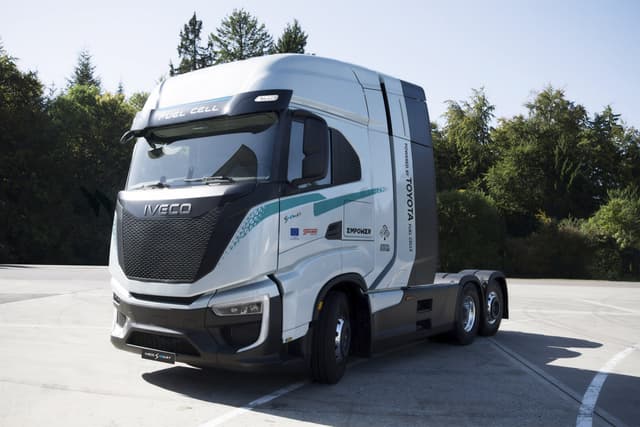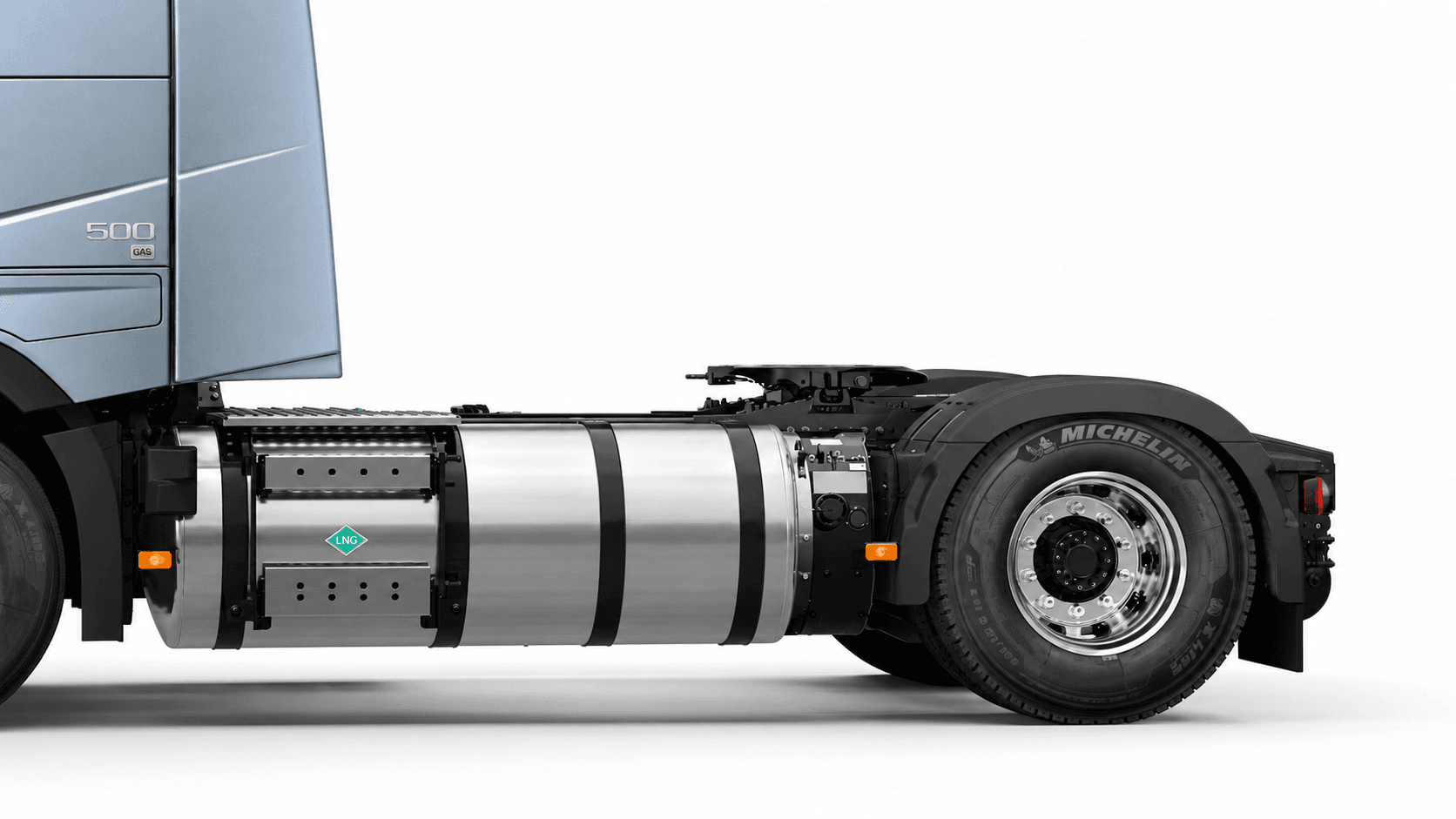
Cespira will use IAA Transportation 2026 in Hannover to unveil the latest evolution of its High Pressure Direct Injection (HPDI) fuel system, a technology designed to help truck manufacturers cut carbon emissions while retaining the performance and operating characteristics of conventional diesel engines.
For heavy-duty, long-haul transport, where payload, range and utilisation remain the biggest barriers to electrification, HPDI has steadily emerged as one of the most practical low-carbon solutions available. Rather than replacing the diesel engine, it enables existing compression-ignition platforms to operate on gaseous fuels such as LNG and renewable bioLNG while preserving the torque, efficiency and drivability operators expect from a diesel-powered truck.
What's new in HPDI 3.0
The new HPDI 3.0 system represents the latest generation of the technology and arrives with improvements in fuel pressure management, injection precision and overall system reliability. Cespira says the redesign also reduces operating costs while further improving the already significant CO₂ savings achieved by previous HPDI systems.
Unlike conventional spark-ignited gas engines, HPDI retains diesel combustion characteristics through compression ignition. The result is diesel-equivalent performance, particularly in demanding long-haul applications where high torque at low engine speeds, fuel economy and durability remain essential.
A platform built for future fuels
Perhaps more importantly, HPDI 3.0 has been engineered as a common fuel platform rather than a single-fuel solution. While today's applications focus on LNG and bioLNG, the architecture has been designed to support future renewable fuels including hydrogen, methanol and ethanol, allowing manufacturers to develop multiple engine variants from the same underlying technology.
For OEMs, that offers a significant commercial advantage by extending the life of existing diesel engine platforms while reducing future development costs. For operators, it provides a pathway towards lower emissions without sacrificing vehicle capability or fundamentally changing fleet operations.
The environmental credentials are equally compelling. When operating on renewable bioLNG alongside HVO pilot fuel sourced from renewable feedstocks, Cespira says HPDI 3.0 can deliver up to a 100% reduction in CO₂ emissions compared with conventional diesel on a lifecycle basis.
Proven at scale
The technology is far from experimental. More than 10,000 HPDI-equipped LNG trucks are already operating across more than 30 countries, collectively covering over 3.3 billion kilometres. That real-world experience has provided the foundation for the third-generation system.
Production of HPDI 3.0 is scheduled to begin in the fourth quarter of 2026 following its adoption by Volvo Trucks for its new 13-litre gas engine platform. Customer vehicles equipped with the new fuel system are expected to enter service during the first half of 2027.
Cespira supplies the complete HPDI package, including onboard fuel storage, pressure management systems and the high-pressure injection equipment, allowing manufacturers to integrate the technology into existing heavy-duty powertrains.
A complement to electrification
Carlos Gonzalez, Chief Executive Officer of Cespira, believes the industry needs solutions that reduce emissions without waiting for entirely new vehicle architectures.
Says Carlos Gonzalez, Chief Executive Officer of Cespira:
"HPDI gives the heavy-duty industry a way to reduce emissions today without redesigning the vehicle, the engine platform or the operating model. For OEMs, it creates a fuel system platform that delivers value with LNG and bioLNG today while supporting future renewable fuels such as hydrogen, methanol and ethanol. For fleets, it means lower emissions and lower operating costs without compromising the performance, range, payload or reliability their businesses depend on."
As manufacturers continue to pursue multiple decarbonisation pathways, HPDI 3.0 underlines that the internal combustion engine still has a significant role to play. Rather than representing an alternative to electrification, Cespira positions the technology as a complementary solution for sectors where batteries remain challenging, offering a pragmatic route towards lower-carbon long-distance freight while preserving the productivity on which the haulage industry depends.