Share this post
 Clean Air Day on 19 June, two-thirds of UK fleet and transport managers are not using any software to track harmful emissions being released into the environment by their vehicles.

Clean Air Day on 19 June, two-thirds of UK fleet and transport managers are not using any software to track harmful emissions being released into the environment by their vehicles.

Published on 18 Jun 2025 • 3 min read

Latest industry research reveals only 34% of fleet managers track harmful emissions, as devastating impact of unclean air is examined

New research conducted by global technology solutions provider Microlise has revealed that, ahead of Clean Air Day on 19 June, two-thirds of UK fleet and transport managers are not using any software to track harmful emissions being released into the environment by their vehicles.

As the drive to net zero continues, this represents a significant gap which, when closed, could help save some of the 43,000 lives lost per year linked to air pollution – while also making our environment and air much cleaner.

The government has set an economy-wide target of an 81% reduction in greenhouse gas (GHG) emissions by 2035, from 1990 baseline levels. Fleet managers have an important responsibility to ensure they are tracking emissions in line with this target, taking action to determine how they can be reduced across their vehicles.

Effects of unclean air on the environment

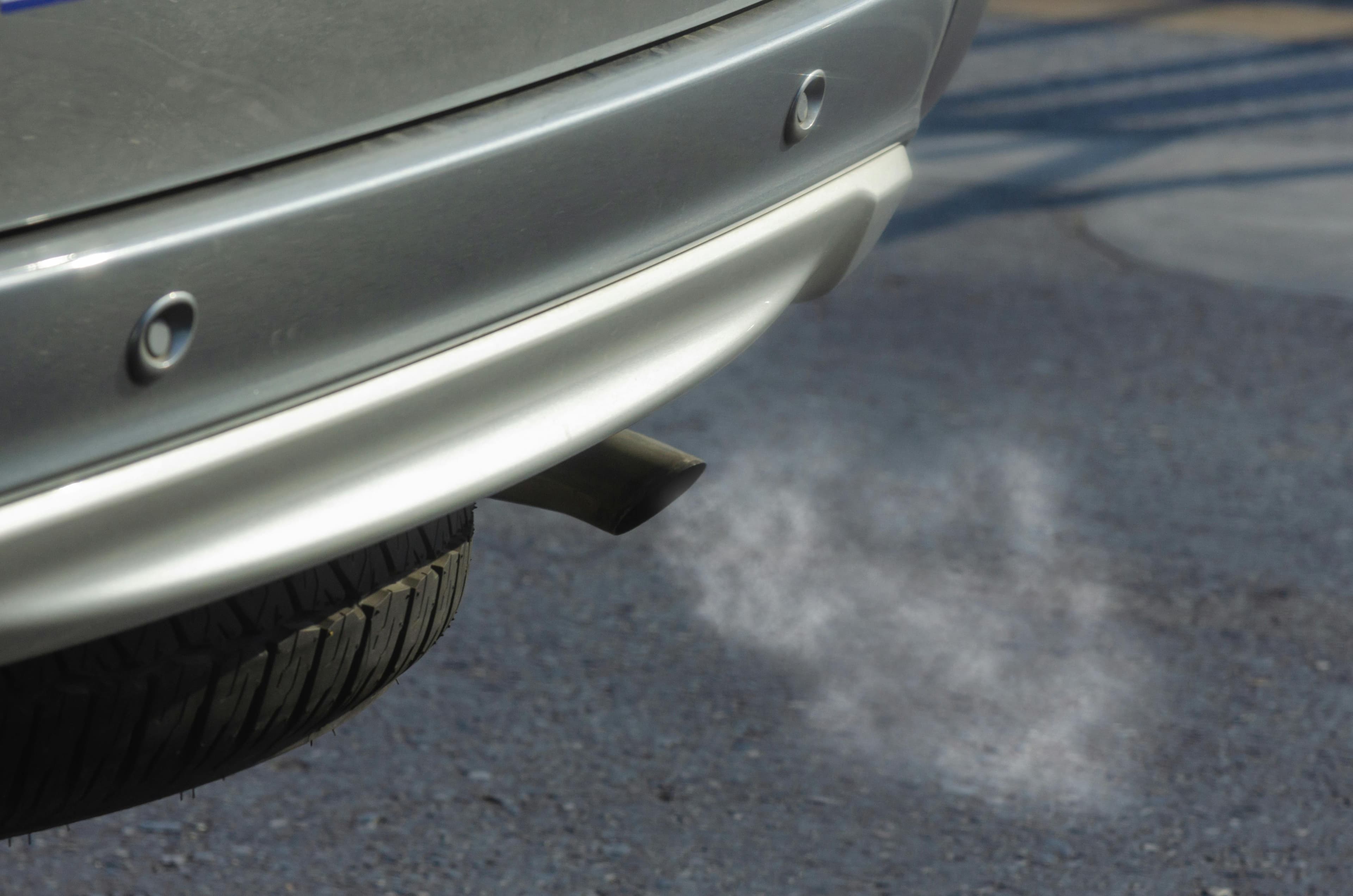
The UK’s sprawling road transport network is the country’s biggest source of GHG emissions, all of which contribute to climate change. Burning fossil fuels for transport produces a variety of emissions, such as nitrogen oxides, which damage the planet.

Tracking road transport emissions and taking appropriate steps to reduce them, such as using cleaner and greener fuels, can reduce air pollution and the amount of carbon released into the environment. This ultimately makes the UK a more pleasant place to live, given the importance of the road network to the country’s economy.

The health impact of unclean air

Children, the elderly and people with pre-existing health conditions are at a higher risk of the health impacts of emissions.

Breathing in nitrogen oxides emitted by cars, vans and lorries can irritate and harm human lungs, which decreases their function and causes shortness of breath. It can also make other respiratory conditions worse.

Road transport is also a major source of small particle air pollution (PM2.5) which can cause other health problems. The negative effects of air pollution are not felt equally around the country, as more urban locations have higher levels of pollution than rural areas.

What can be done?

“The first step for companies looking to reduce the amount of harmful gases emitted by their fleets is to track what they emit right now,” said Microlise CEO, Nadeem Raza.

“This can be done using fleet optimisation tools which ensure that routes are planned for better fuel efficiency and reducing empty loads that produce greenhouse gases without any material benefit.

“Once this analysis has been conducted, the fleet or transport manager can then decide on other ways to further reduce their fleet’s effects on the environment.

“By using more fuel-efficient vehicles, better planning and training drivers to drive more economically, not only reduces harmful emissions, but also saves money, improving the bottom line,” he added.
More news

Conservatives pledge to repeal diesel HGV phase-out and scrap zero-emission truck grants
20 August 2026

Conservatives pledge to repeal diesel HGV phase-out and scrap zero-emission truck grants

The Conservatives have announced plans to repeal Labour's 2035 and 2040 diesel HGV phase-out dates, abolish the Zero Emission Van and Truck Grants, and rule out new mandates — backing a technology-neutral, multi-fuel approach to cutting freight emissions.

Report into driver coaching highlights onboarding as crucial
18 August 2026

Report into driver coaching highlights onboarding as crucial

New research from Teletrac Navman finds drivers who feel well-prepared are three times more likely to rate safety coaching as highly effective, making onboarding the critical first step for fleet operators.

Wholesalers prove electric HGVs can match diesel as new case study reveals real-world results
18 August 2026

Wholesalers prove electric HGVs can match diesel as new case study reveals real-world results

A new case study from the Scottish Wholesale Association, Renault Trucks and Vertellus finds electric HGVs can match or exceed diesel on local wholesale delivery routes, with up to 95% of journeys achievable on electric.

Diesel Technic appoints David Mason as Regional Sales Manager to drive growth across UK and Ireland
18 August 2026

Diesel Technic appoints David Mason as Regional Sales Manager to drive growth across UK and Ireland

Global commercial vehicle spare parts supplier Diesel Technic has appointed David Mason as Regional Sales Manager, reinforcing its long-term commitment to growth across the UK and Ireland.

Farizon partners with Europcar for vehicle replacement service
17 August 2026

Farizon partners with Europcar for vehicle replacement service

Farizon has selected Europcar Mobility Group UK to provide a two-day replacement vehicle service for its electric van customers, adding to existing AA roadside assistance and DHL next-day parts support.

EV and charging sector leaders urge Government to hold the line on ZEV mandate
14 August 2026

EV and charging sector leaders urge Government to hold the line on ZEV mandate

Industry leaders respond to the Government's consultation on the Zero Emission Vehicle mandate, warning that softening targets now would undermine investment just as EV sales climb above trajectory.

A&M Smith Recycling puts Scotland's first Renault Trucks electric skip loader to work
13 August 2026

A&M Smith Recycling puts Scotland's first Renault Trucks electric skip loader to work

Aberdeen-based waste and recycling specialist A&M Smith Recycling has put the first Renault Trucks electric skip loader in Scotland into operation, adding an 18-tonne E-Tech D Wide to its fleet.

Let's hope this never happens again
7 August 2026

Let's hope this never happens again

BYD says when its software drives, its software pays — the first crack in 130 years of blaming the driver, and why UK hauliers and insurers should be watching.