The global market for electric heavy-duty trucks is set to grow from more than $16.97 billion today to over $152.95 billion by 2035, according to the latest study from Global Market Insights.
The market covers battery-electric and hybrid-electric Class 7 and Class 8 trucks used in freight haulage, regional distribution, construction, refuse collection, port operations and other specialised heavy-duty applications.
What is driving growth
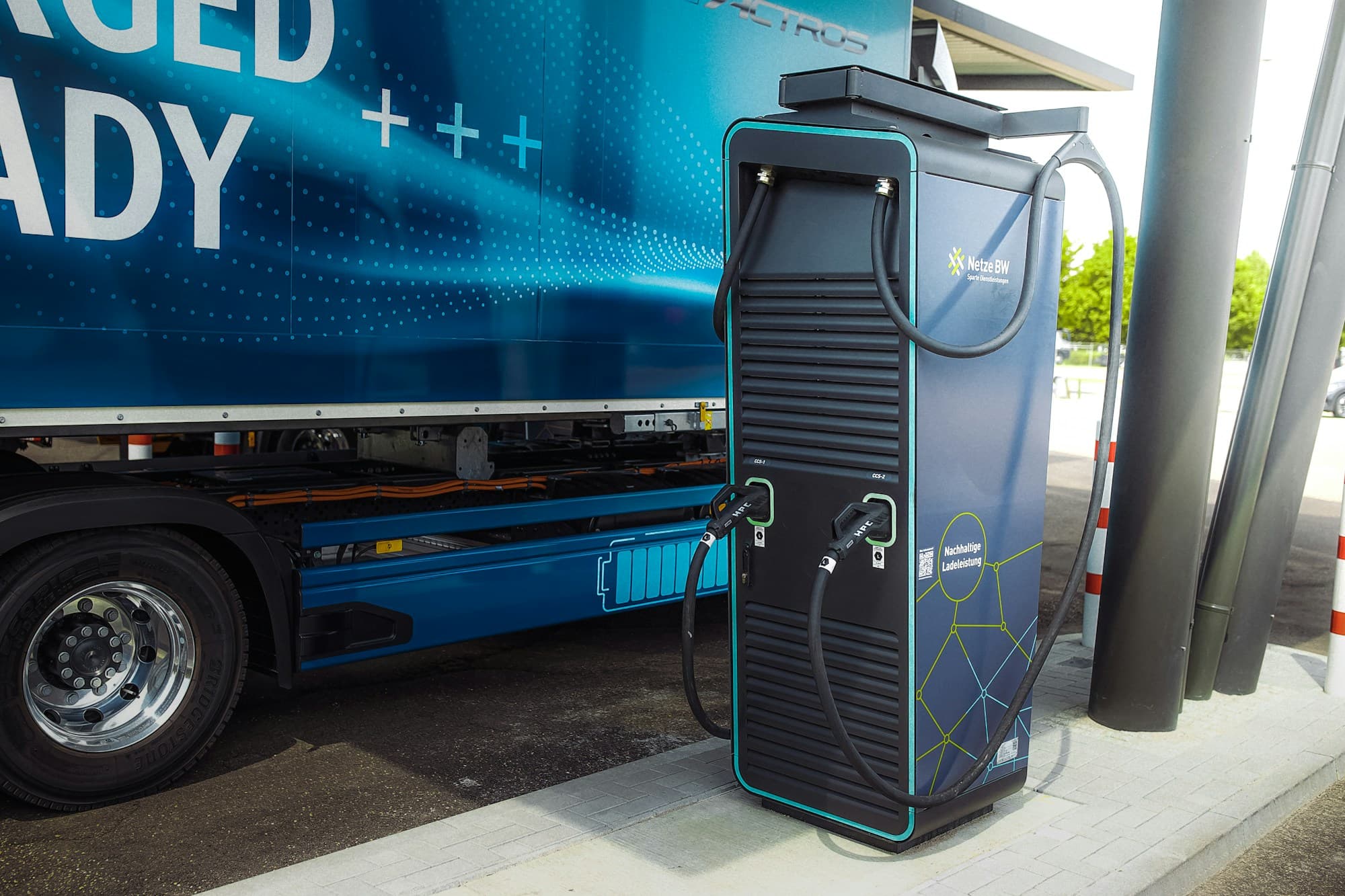
Zero-emission regulations, fleet procurement shifting from pilots towards repeatable deployments, operating-cost advantages on high-utilisation routes, and progress in battery and charging systems are all supporting market growth.
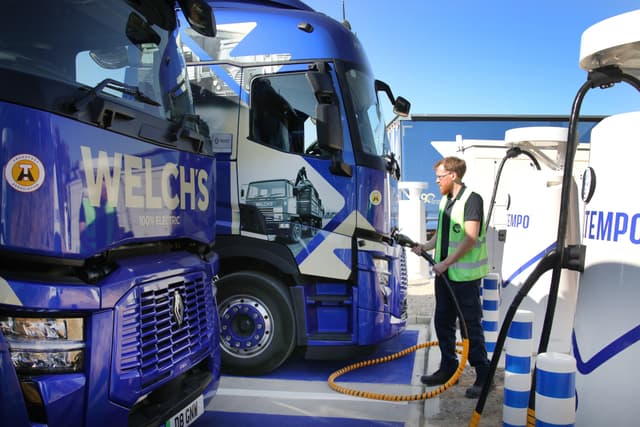
Fleet adoption is advancing most quickly where operators can coordinate vehicle use, charging access, route schedules and maintenance through depot-based or otherwise controlled operating environments.
Segments to watch
By vehicle class, Class 7 electric heavy-duty trucks are projected to reach $93.45 billion by 2035. The segment benefits from refuse collection, regional distribution, utility service, municipal work and short-haul freight applications, where vehicles operate within defined territories and return to a home depot for charging.
By propulsion, battery-electric vehicles are projected to reach $103.47 billion by 2035. BEVs are supported by zero-tailpipe-emission mandates, fleet decarbonisation targets, falling battery costs and the development of high-power charging standards. They are especially suited to operations with available depot power and predictable charging schedules.
Asia Pacific and BYD lead
Asia Pacific is projected to reach $97.37 billion by 2035. The region's leading position is supported by China's domestic battery supply chain, vehicle manufacturing capacity, emissions-policy enforcement, and extensive industrial and freight routes suited to high-utilisation electrification.
BYD led the market in 2025 with a share of more than 24.29%. Its position is supported by vertical integration across battery and vehicle production, enabling it to coordinate LFP cell supply, commercial-truck manufacturing and export pricing across a broad range of applications.
The competitive landscape
Other major players include Daimler Truck, FAW Group, PACCAR, Volvo, Tesla, Traton, Ford, GM, Komatsu, Nikola, Designwerk, E-Force One, Orange EV, Terberg, Xos, Bollinger Motors, Edison Motors, Hyliion, Lion Electric, Mitsubishi, Renault Trucks, Rivian, Rizon and SEA Electric.
Competition increasingly extends beyond truck specifications to charging coordination, fleet uptime, battery warranties, remote diagnostics, financing and service-network coverage.
Source: Global Market Insights – Electric Heavy Duty Trucks Market