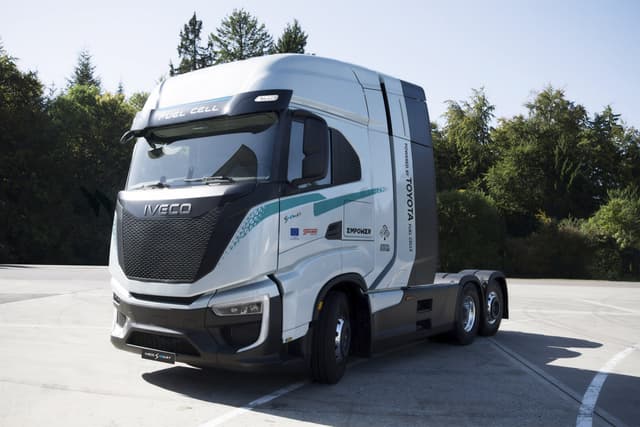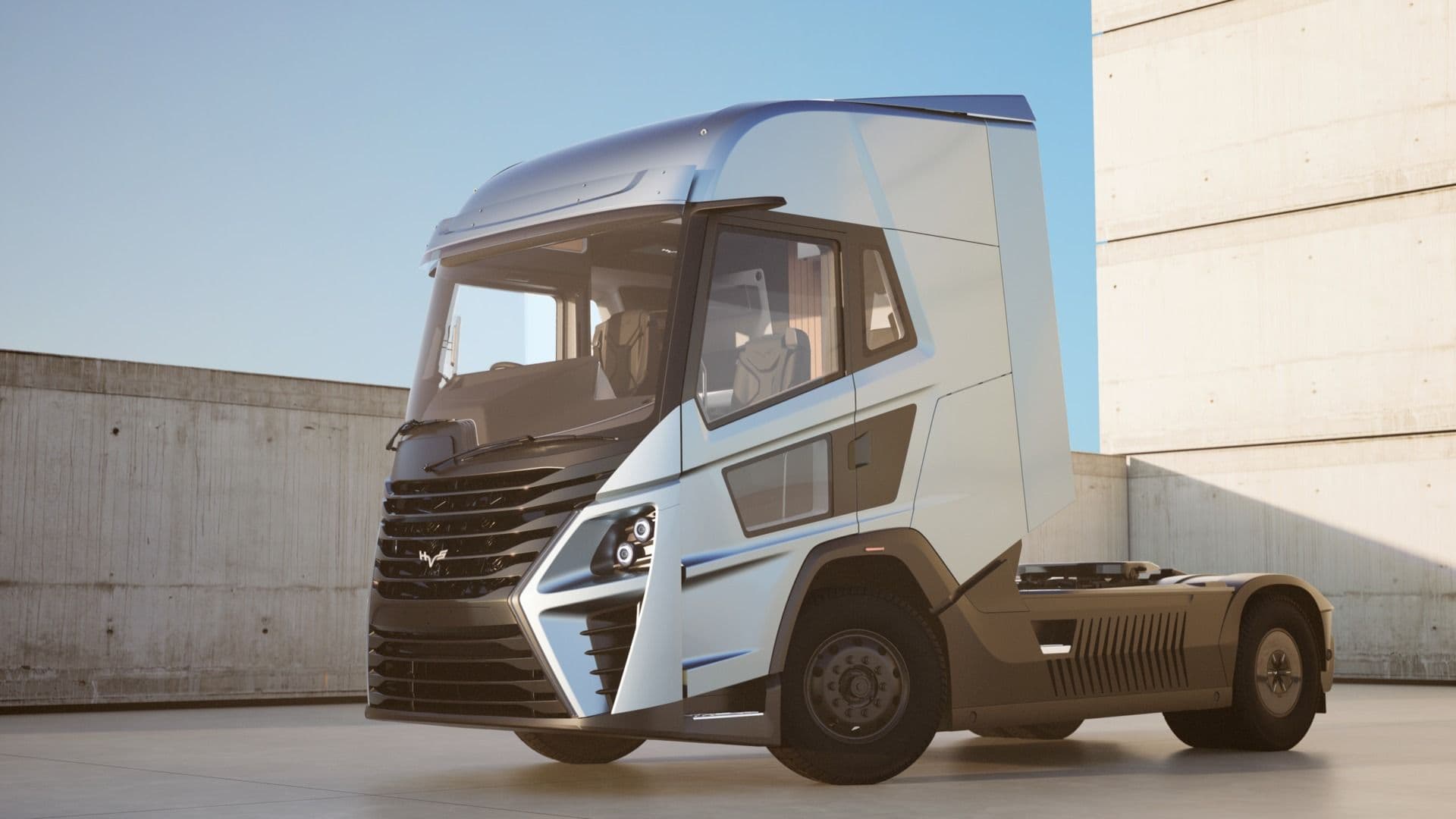
As a pioneer in the hydrogen mobility sector, HVS will display its ground-breaking hydrogen-electric Heavy Goods Vehicle (HGV) at the event, presenting a visionary solution for decarbonising road transport.
Ahead of the show, HVS has gathered information to highlight the benefits of transitioning from traditional diesel and petrol commercial delivery vehicles in London to zero-emission hydrogen-electric powertrains.
According to UK Local Authority GHG (Greenhouse Gas) Emissions dataset for 2020, it indicated a staggering 7,682 kilotons of CO2 is emitted annually due to road transport in all London Boroughs. Further analysis showed that 20% of these emissions were attributed to commercial vehicles, including light vans and trucks. As road freight accounts for 89% of all goods transported in London, the potential for emissions reduction in this sector is substantial.
The knock-on effect is the concerning environmental impact of freight vehicles on air quality in the city. Freight vehicles in the report were responsible for 33% of nitrogen oxide (NOx) emissions and 29% of fine particulate matter (PM2.5) emissions from road transport in London[1]. Additionally, road-related carbon dioxide emissions were found to be responsible for 23% of the city's total. These statistics underscore the urgent need to transition to cleaner, more sustainable alternatives.
Furthermore, the findings reveal that an estimated 9,400 premature deaths in London are linked to long-term exposure to PM2.5 and NO2, emphasising the critical importance of reducing harmful emissions from commercial vehicles. With London seeing a 39% increase in freight and servicing vehicle kilometres in the past 25 years, it is crucial to address this issue promptly and effectively.
From the beginning, HVS has been dedicated to pushing the boundaries of technology and driving the adoption of fuel cell electric vehicles (FCEVs). HVS’ goal is to design and manufacture hydrogen-electric heavy goods vehicles (HGVs) that offer zero-emission transportation without compromising on performance and efficiency.
By switching to hydrogen-powered commercial vehicles, significant carbon reductions can be achieved. Commercial fleets operating in London emit approximately 1.6 million tonnes of CO2 annually[2]. Using hydrogen to displace diesel would require approximately 155,000 tonnes of hydrogen, this would remove the 1.6 million tonnes of CO2 together with the commensurate PM2.5 and NOx.
Both hydrogen and diesel vehicles emit water vapour. The switch to hydrogen results in the emission of 1,396 ktonnes of water vapour, but this is zero carbon emissions. To put this into perspective, the water vapour is equivalent to just 0.88mm of rainfall annually across the Greater London area of 1,572sqkm.
Jawad Khursheed, CEO of HVS, said:
These staggering statistics show us how critical it is that we decarbonise the freight and heavy goods vehicle sectors and the potential to remove significant carbon emissions, harmful levels of PM2.5 and NOx emissions from the capital. With consumer habits driving the need for more delivery vehicles on our roads, for the sake of our climate and health we cannot afford to continue using carbon-emitting vehicles. A truly viable zero-emission solution is presented with hydrogen. Our hydrogen HGV has enormous potential for reducing carbon emissions in the commercial freight sector, while also improving air quality and public health.
Using our innovative powertrain, we can provide logistics and haulage companies with HGVs that have a performance parity of diesel equivalents yet emit just a small amount of water vapour from the tailpipe. We are committed to accelerating towards a greener and cleaner future.
HVS’s cutting-edge hydrogen-electric Heavy Goods Vehicle presents a visionary, first-to-market solution to decarbonising road transport and eliminating these eye-opening statistics. The 40-tonne HGV features a unique powertrain aimed at optimising range, payload, weight distribution, with a sector-leading a 370-mile (600 kilometre) range and refuelling time of just 20 minutes. Additionally, the zero-emission powertrain will avoid the high costs associated with entering low or zero emission zones.
At MOVE, visitors will have the opportunity to see the HGV as well as viewing HVS CEO Jawad Khursheed’s presentation on Thursday 22 June (11:55am) where he will discuss the benefits, challenges, and implementation of hydrogen HGVs, and demonstrate the company’s game-changing solution for decarbonisation.