The Commercial Vehicle division of the National Franchised Dealers Association has stated in its submission to the ‘HGV CO₂ Emissions Regulatory Framework’ consultation that, under no circumstances, should a ZEV mandate be introduced for heavy trucks, similar to that currently in operation for cars and vans.
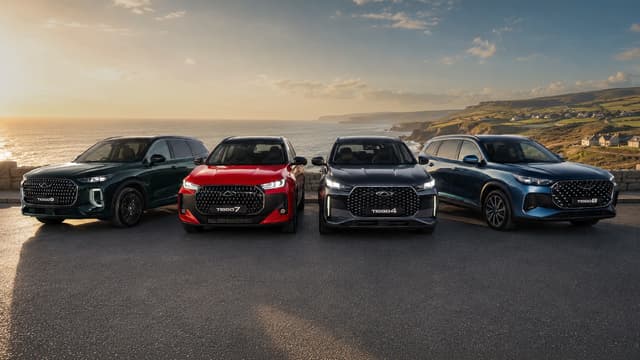
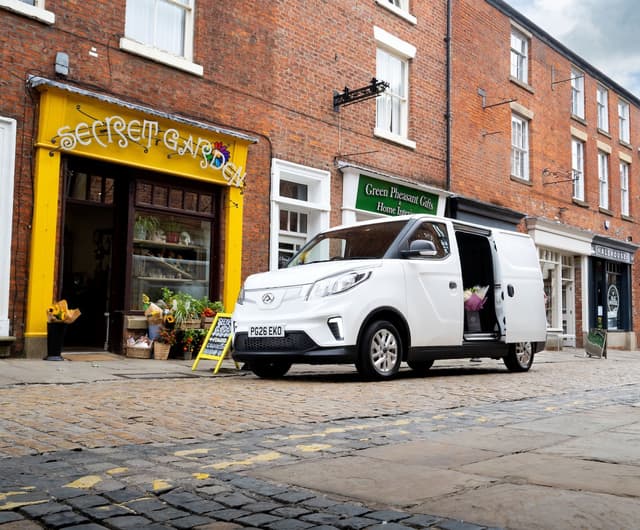
The current car and van ZEV mandate require manufacturers to sell a certain percentage of zero-emission vehicles or face significant fines from the Government. In 2026, manufacturers are targeted to sell and register 33% EV cars and 24% EV vans. Last year, however, only 23.4% of cars and 9.5% of vans were zero-emission, well below the Government’s ambitious targets.
The policy has placed considerable pressure on both manufacturers and dealers, forcing heavy discounting to stimulate a market that does not yet have matching customer demand. Many private and business customers remain reluctant to switch to electric vehicles due to concerns around cost, range, charging infrastructure, and depreciation. Van customers, in particular, are fundamentally concerned about the operational viability of these vehicles for their businesses.
NFDA Chief Executive Sue Robinson commented:
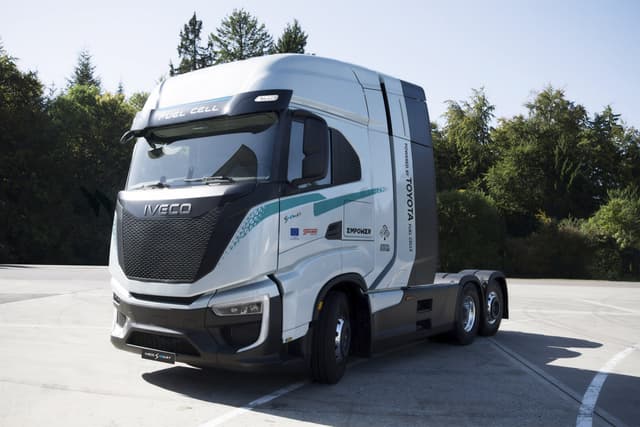
“Truck dealers and manufacturers must not be placed under pressure to sell expensive zero-emission trucks where there is currently limited demand and no realistic public or open-access HGV charging infrastructure in place. Purchasing decisions are driven by price, reliability, and long-term business viability.
Whatever approach the Government takes towards its 2035 targets for trucks up to 26 tonnes, and its 2040 targets for heavier vehicles, it must be realistic and designed to drive genuine demand, rather than imposing requirements that risk causing financial hardship for customers, HGV dealers, and truck manufacturers.”