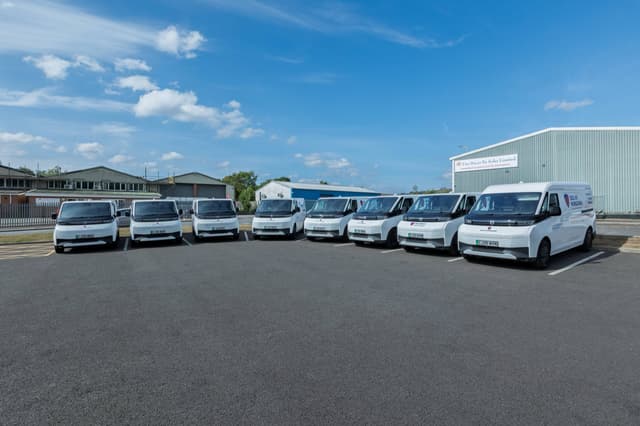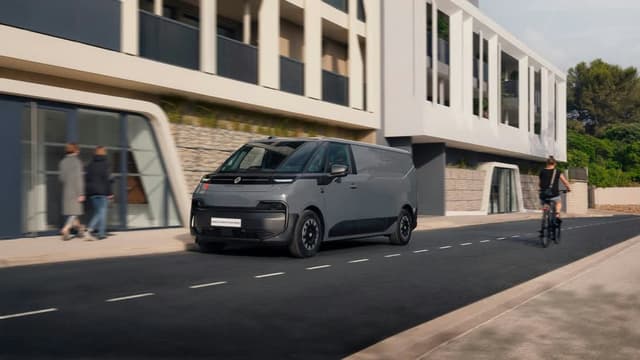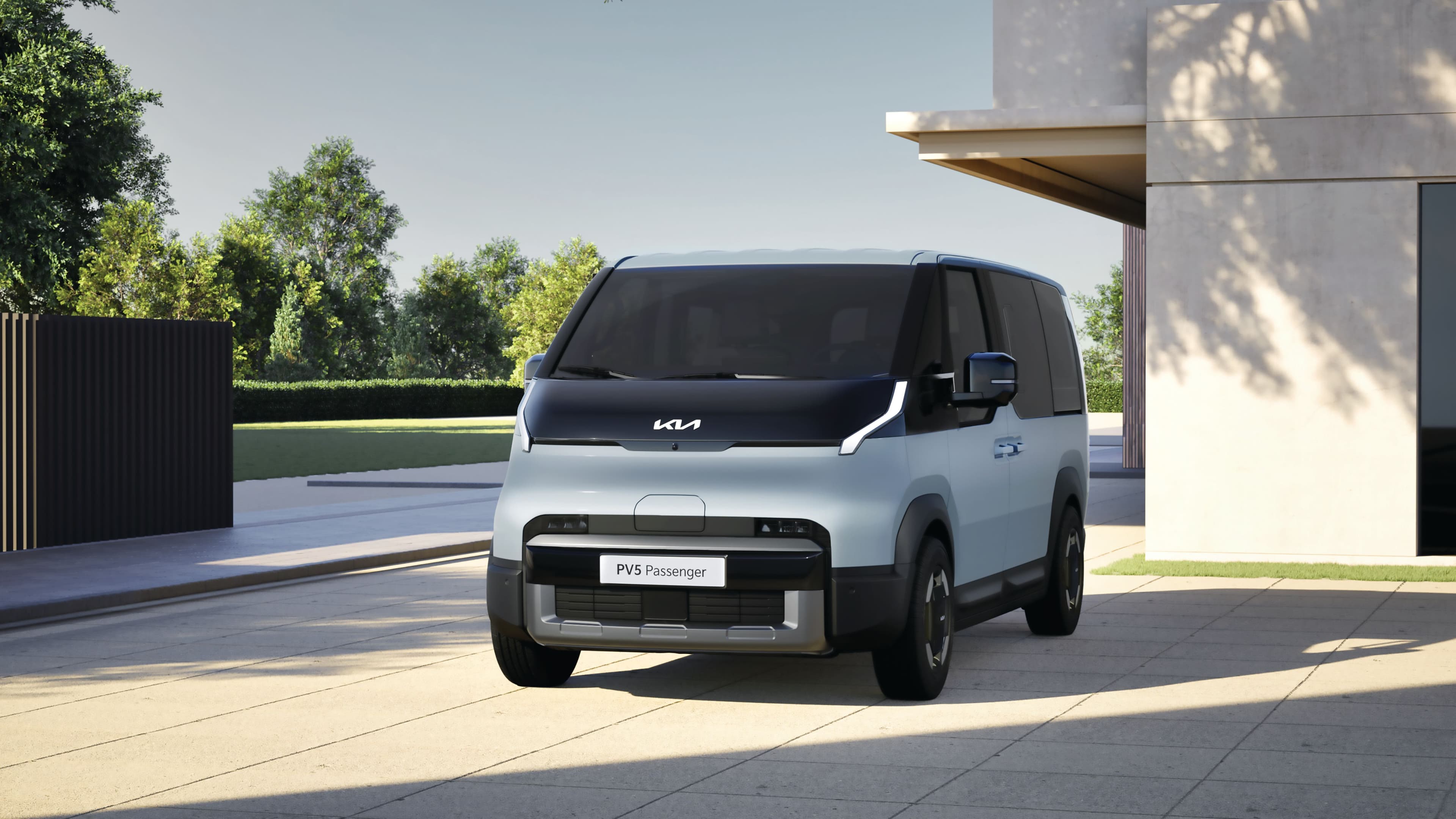
The PV5 is Kia’s inaugural foray into the electric van market, marking a significant expansion of the South Korean manufacturer’s electric vehicle lineup. Unveiled at Kia’s EV Day earlier this year, the PV5 is designed to cater to a diverse range of commercial and personal transportation needs, with Kia positioning it as a versatile and adaptable vehicle in the EV market.
Design and Platform
Built on the E-GMP.S platform—a modified version of Kia’s Electric-Global Modular Platform—the PV5 emphasizes flexibility and scalability. This architecture allows for various body configurations, including Passenger Van, Cargo Van, and Chassis-Cab, each tailored to specific operational requirements. The modular design facilitates efficient production processes and cost reductions, aligning with Kia’s strategic approach to EV manufacturing.
Exterior design draws inspiration from Kia’s SUV lineup, featuring rugged cladding, sleek LED headlights, and expansive windows. This combination not only imparts a futuristic aesthetic but also enhances visibility and practicality. The Passenger Van variant is equipped with a single lift-up tailgate, while the Cargo Van features twin side-opening rear doors, optimizing loading and unloading processes.
Interior and powertrain
Inside, the PV5 has a modern cabin equipped with a 7-inch digital instrument cluster and a 12.9-inch infotainment screen running an Android Automotive-based operating system. The interior features durable, easy-to-clean materials, reflecting its utilitarian purpose. The Passenger Van configuration provides up to three rows of seating, which can be adjusted or removed to accommodate varying passenger and cargo needs. Additionally, Kia plans to introduce a Wheelchair Accessible Vehicle (WAV) model, featuring a side-mounted boarding system and third-row tip-up seats to facilitate accessibility for wheelchair users.
The PV5 is powered by a front-mounted electric motor delivering 161 horsepower and 184 pound-feet of torque. Customers can choose between three battery options: a 51.5 kWh or 71.2 kWh nickel-manganese-cobalt battery, and a 43.3 kWh lithium-iron-phosphate battery, the latter primarily available in the Cargo variant. The Passenger Van with the 71.2 kWh battery is expected to achieve a range of approximately 248 miles on the European WLTP cycle, translating to around 211 miles under EPA estimates. The PV5 supports fast-charging capabilities, allowing for a 10% to 80% charge in less than 30 minutes, depending on the battery configuration.
Cargo capacity and practicality
The Cargo Van variant of the PV5 is available in standard and long configurations, with an optional high-roof design. It boasts a loading height of just 419 mm, facilitating easy access. The cargo space can accommodate two Euro-sized pallets, offering a maximum volume ranging from 3.4 to 5.1 cubic meters, depending on the configuration. An L-track mounting system is available to secure cargo effectively, and the vehicle-to-load (V2L) functionality allows the van to power tools and devices directly from the cargo area.
With an anticipated starting price of around £30,600 (excluding VAT), the Kia PV5 positions itself competitively against rivals like the Volkswagen ID. Buzz Cargo. Its blend of versatility, modern features, and practical design makes it a compelling option for businesses and individuals seeking an electric van solution. Kia’s commitment to expanding its PBV lineup, including future models like the larger PV7 and smaller PV1, indicates a strategic focus on meeting diverse transportation needs in the evolving EV landscape.
In conclusion, the Kia PV5 exemplifies Kia’s innovative approach to electric mobility, offering a versatile and practical solution for various transportation requirements. Its thoughtful design, flexible configurations, and competitive specifications position it as a noteworthy contender in the electric van market.