CEVA Logistics, a global leader in third-party logistics and leading finished vehicle logistics (FVL) player in Europe, announced today a new reverse logistics solution dedicated to the transport, storage and processing of end-of-life electric vehicle (EV) batteries.
As the electric and hybrid vehicle market has steadily grown in recent years, approximately eight million lithium-ion batteries are expected to reach end-of-life in Europe over the next five years(1). Combined with evolving environmental regulations, recycling used vehicle batteries is an economic and sustainable development challenge to limit pressure on the use of rare metals and preserve natural resources.
A complete logistics and industrial supply chain for the collection, assessment and recycling of EV batteries must be progressively established, especially now as the first batteries are approaching their end-of-life.
CEVA Logistics, drawing on its expertise in the automotive sector, is launching a comprehensive reverse logistics service for the reuse or recycling of EV batteries. CEVA is committed to creating circular value chains and supporting the automotive sector in its technological evolution. Thanks to a multi-million-euro investment, CEVA is targeting the gradual expansion of Battery Logistics Centers dedicated to EV batteries across 10 European countries by 2027.
Three strategic pillars in the reverse logistics solution
With deep expertise in automotive logistics and an established infrastructure network across Europe, CEVA is well-positioned to become a pioneer in the reverse logistics of used electric vehicle batteries.
CEVA's offer provides a concrete response to growing market demands. The solution is designed to offer automotive manufacturers a reliable, scalable solution that complies with strict regulatory requirements for battery processing.
Three strategic pillars:
-
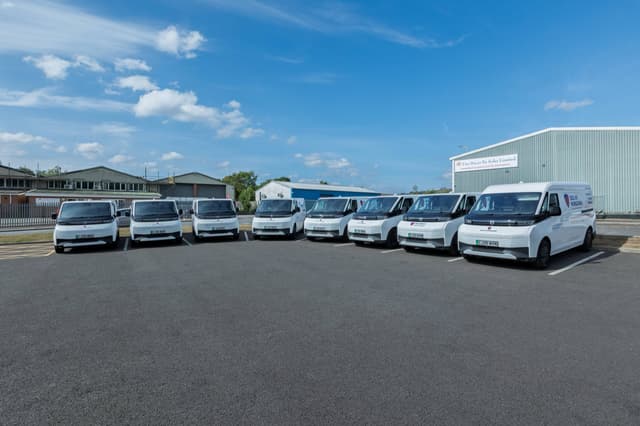
Battery collection and transport across Europe: CEVA has the transport capabilities to collect batteries throughout Europe and ship them to recyclers after processing.
-
A wide range of extended services: At centres across the network, CEVA will deploy value-added services including battery diagnosis, dismantling, regeneration or reconditioning to maximise value recovery through reuse or recycling.
-
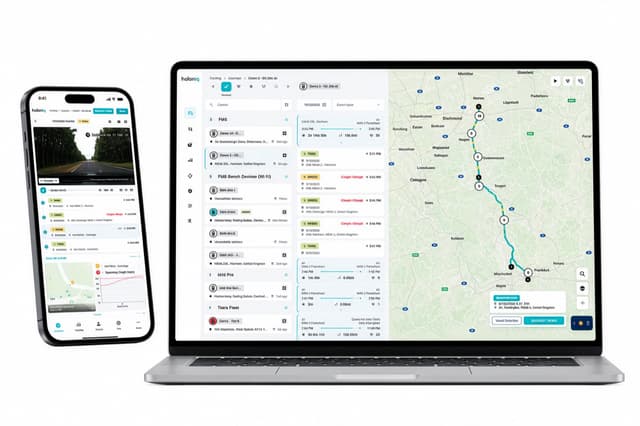
Traceability and data management: Each battery will be tracked in real time throughout its journey, monitored with enhanced traceability, giving full transparency of its status.
Battery Logistics Centers, the heart of our solution
The reverse logistics solution is based on a European network and will be installed in France, the United Kingdom and Spain by the end of the year. CEVA is planning additional centres in Germany, Italy, Poland, Sweden, Switzerland, the Netherlands and the Czech Republic in 2026 and 2027.
An initial trial programme aimed at validating the Battery Logistics Center concept was started in 2022 and remains in operation at CEVA's FVL hub in Ghislenghien, Belgium.
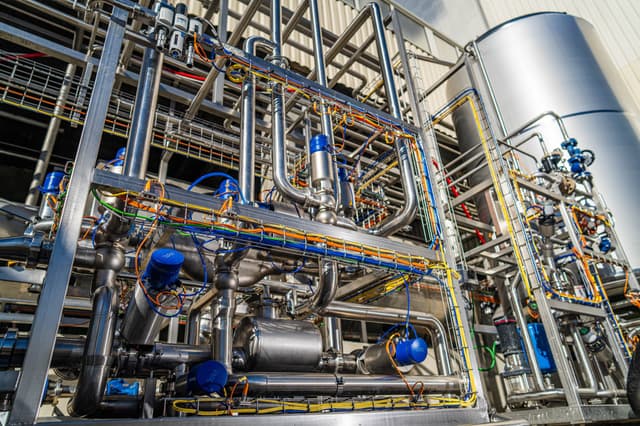
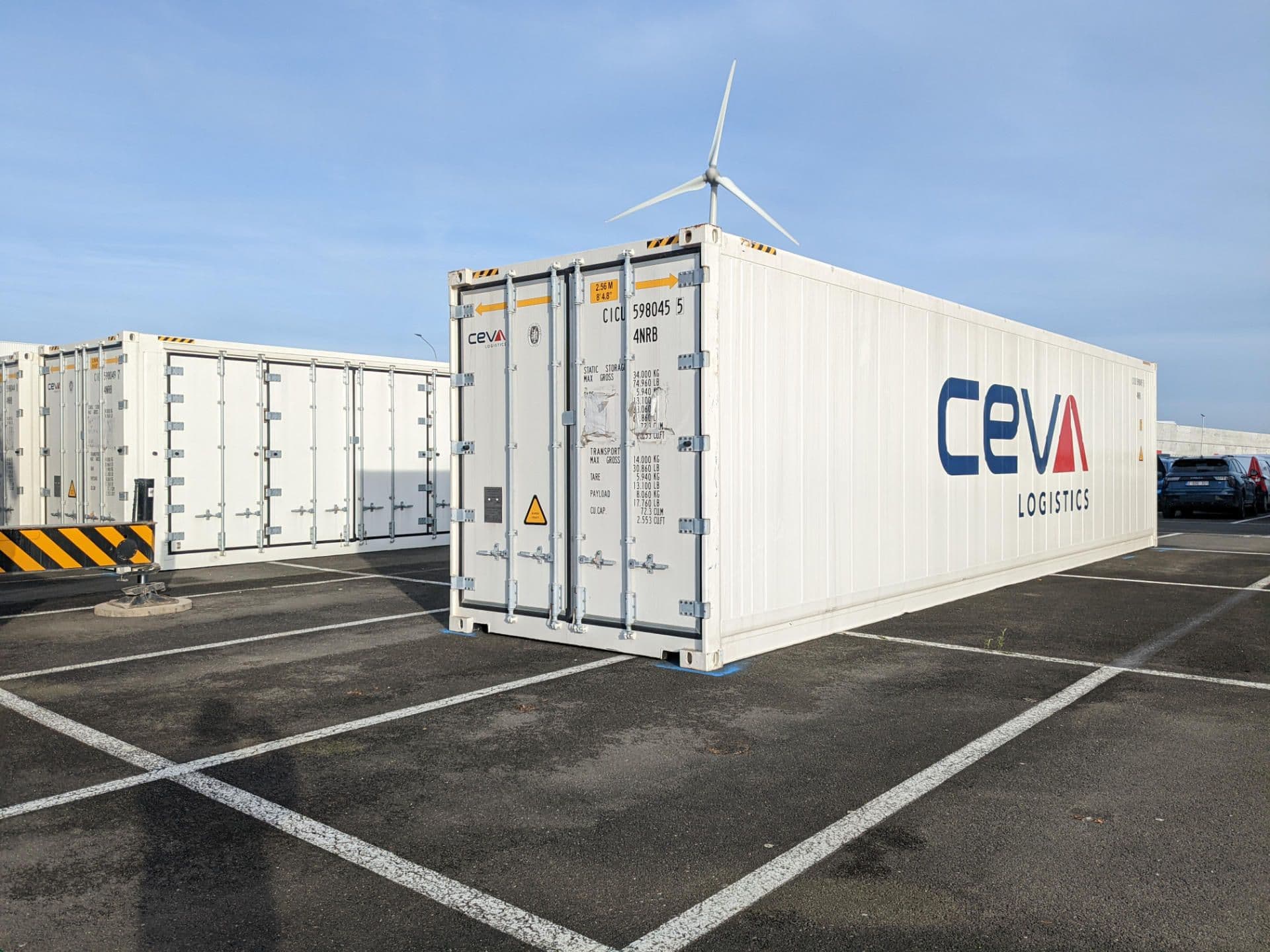
Each Battery Logistics Center would be located within designated areas of CEVA’s FVL platforms. Centres include specialised storage zones and secure containment units installed in temperature-controlled containers equipped with racks, temperature and humidity monitoring equipment and 24/7 alarm systems. Battery diagnostics, deep discharge, dismantling and reconditioning operations are carried out in dedicated workshops.
Drawing on its ADR(2) transport capabilities, CEVA organises the collection of batteries from car dealerships, vehicle resellers and end-of-life vehicle centres. CEVA then analyses the status of the batteries to determine whether they should be dismantled or reconditioned. After temporary controlled storage, CEVA delivers the modules and waste to recycling centres or second-life facilities.
Mathieu Friedberg, CEO, CEVA Logistics, said:
“The automotive industry is undergoing major changes with the rise of electric vehicles. Given the challenges of recycling and reusing batteries, it seemed essential to us, drawing on our logistics expertise, to propose robust and virtuous solutions to support the automotive sector in strengthening the circular economy.”
(1) Source: S&P Global Production Forecast Database
(2) European Agreement regarding the International Transport of Dangerous Goods by Road