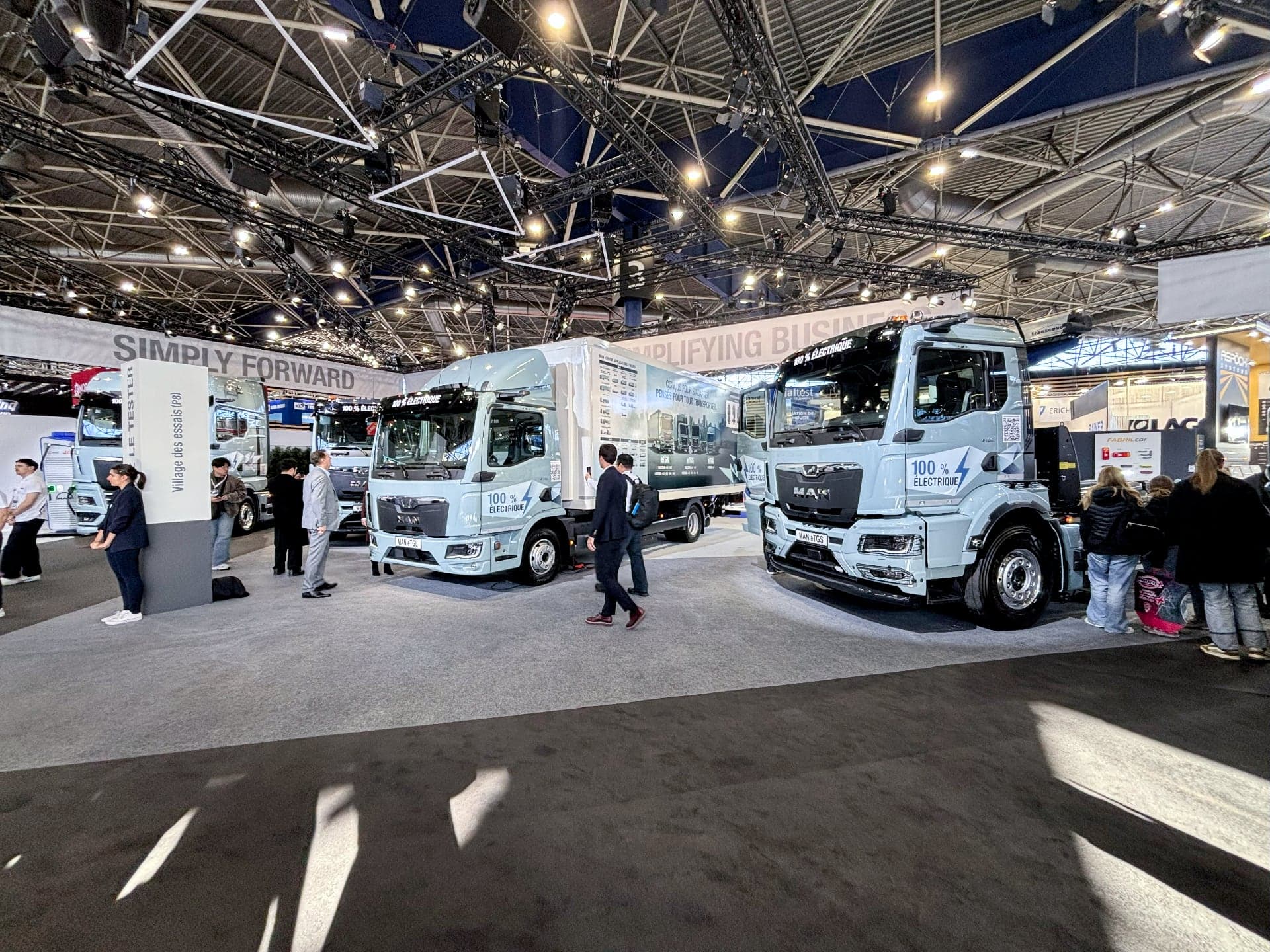
MAN chief executive Alexander Vlaskamp says stronger incentives are needed to accelerate electric truck adoption.
Extra taxes should be levied on diesel trucks to make switching to electric models more appealing, says MAN Truck & Bus Global Chief Executive Officer, Alexander Vlaskamp. Germany is increasing road taxes on diesels in a bid to reduce CO2 emissions, and Vlaskamp would like to see other European markets, including the UK, follow suit.
“At the same time, we’re seeing some European cities banning older diesel trucks,”
he says – an approach he applauds.
The stick needs to be accompanied by the carrot, however, and one that goes beyond government grants to cover the price gap between diesel and electric vehicles. Germany and Austria are exempting electric trucks from highway tolls, he points out, and that is a policy other countries should emulate.
He wants to see regulators adopt an even-more flexible approach to gross weights with an eye to ensuring that the burden of heavy battery packs does not impose payload penalties, and put firms willing to go electric at a disadvantage compared with competitors who are sticking with diesels.
“Things are moving too slowly, with electric trucks accounting for just 2.1% of the total European market,”
he told transport journalists at a recent conference in London.
“That’s far below where it needs to be given that some fleets can electrify 80% of their transport operations.”
A lack of investment in electricity grids doesn’t help, he says.
“Unfortunately we’re seeing what I would describe as grid congestion in many European markets at present and there needs to be a step-change,”
he observes. More capacity and wider coverage will be needed as the number of electric commercial vehicles rises.
Why aren’t the truck manufacturers encouraging sales by slashing the eye-wateringly steep front-end prices of electric models? Unfortunately that is unlikely to happen any time soon, Vlaskamp admits.
“The price is dictated by the cost of the raw materials that go into the batteries, and that’s quite steep, so we will not see a significant fall,”
he comments.
In the meantime, steps are being taken by truck builders to make the day-to-day use of their battery models less of a headache.
Group solution
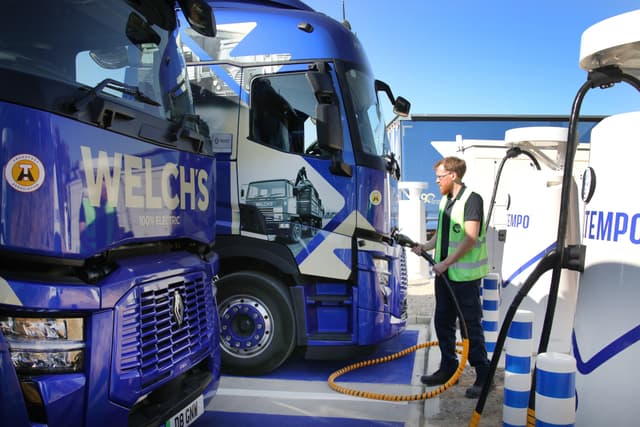
MAN is part of the Traton Group, which also embraces Scania. The group has been co-operating with Daimler Truck and Volvo to set up truck charging stations along core routes around Europe. The joint venture is called Milence, and its first UK site is in Immingham.
The move is welcome, given that the inability to recharge electric trucks when they are away from base is a significant barrier to their adoption so far as inter-city haulage fleets are concerned.
In addition, MAN is encouraging the use of its electric trucks as flexible energy storage systems. Technology developed under the SPIRIT-E banner enables them to feed power into an operator’s premises, or into the grid.
Transport fleets that pursue this approach could cut their electricity bills by as much as 20%, reckons the German manufacturer.
Not that diesel engines are finished quite yet – far from it – and attempts are being made to mitigate their environmental impact while highway transport switches to zero-emission vehicles.
Vlaskamp says that all MAN truck diesel engines can run on HVO – Hydrotreated Vegetable Oil – made from waste materials that can offer a well-to-wheel cut in CO2 emissions of up to 90%.
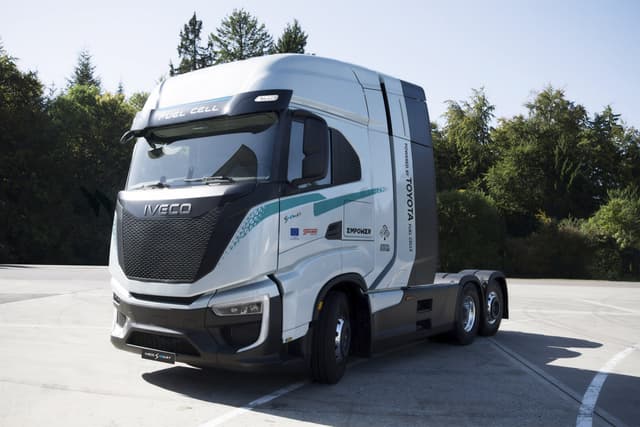
Nor is MAN ignoring hydrogen fuel cells or the use of hydrogen as a combustion fuel. The price of hydrogen remains a concern, however, as does its availability – especially so far as green hydrogen made from sustainable resources is concerned.
“It is worth noting that a hydrogen fuel cell truck is 1.5 times the cost of an electric truck,”
he remarks.
Despite all the hurdles they face, hauliers who have gone electric are in some cases seeing a return on their investment in vehicles and charging facilities in as little as two or three years, he contends.
MAN saw its European truck registrations suffer a modest decline of getting on for 1% last year compared with the previous year’s figure, from 63,655 to 63,296, he reports. However, the total European truck market dropped by 8% in 2025 to 336,224, he points out.
Overall sales this year should total around 330,000, he predicts, and MAN’s order intake is up by 35% when compared with 2025’s level.
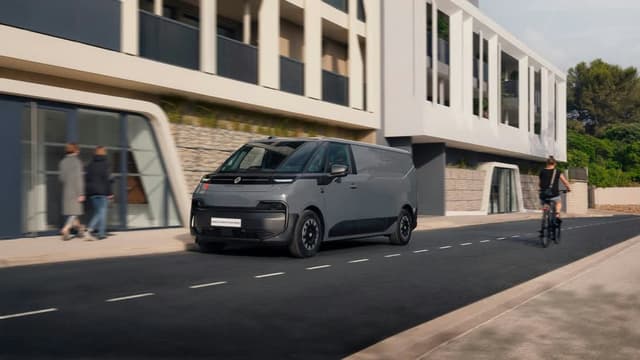
Sales of MAN’s TGE van, a rebadged version of Volkswagen’s Crafter, rose from 27,672 in 2024 to 31,344 in 2025 in a European market that declined by 9.6%, he adds. The company’s light commercial order intake has risen by 28%.
Vlaskamp’s broadly positive sales outlook is tempered by understandable concern over the impact the current Middle East crisis is having on the global economy.
“We are happy with the steady growth we’ve been seeing, but we’ve witnessed something of a slowdown in recent weeks,”
he says.
The first of MAN’s latest electric eTGL 12-tonners are now arriving on this side of the Channel. This means the company will have a battery-powered range extending up to the maximum permissible gross weight, including 4x2 and 6x2 tractor units alongside rigids.
What MAN has to offer is being well received by customers, contends UK Managing Director, Jan Kohlmeier.
“We should have 100 electric models on the road by the end of the year,”
he says.
Recognising that while the salesperson sells the first truck, it is the performance of the aftersales department that secures subsequent sales, MAN plans to boost service and repair back-up on this side of the Channel.
“The UK is one of the markets we’re focusing on, and we aim to increase total sales of our vehicles there by 30% by 2030,”
says Senior Vice-President, Head of Area Europe, Roman Sitte.
Eight service locations are being added to the dealer network, which will see a total aftersales investment of around £35m.
Last September MAN re-opened MAN Truck & Bus Avonmouth, just outside Bristol, after extensive refurbishment. More recent initiatives include the announcement of a new wholly-owned dealership in Aberdeen.
Further developments include the opening of the MAN Experience Centre, at the heart of a £2m-plus training initiative.
Based at the company’s Trafford Park dealership in Manchester, it delivers a broad assortment of courses for salespeople, parts department personnel, technicians and apprentices. MAN will have 180 apprentices on its UK training scheme by the end of the year, says Kohlmeier.