The UK has the potential to play a leading role in the global shift toward hydrogen as a fuel source. Through the creation of fuel cells, electrolysers, hydrogen freight and refuelling infrastructure, the UK can abate many heavy-emitting, high-utilisation transportation sectors and grow its domestic industries to export scale.
Yet to do this requires effort and investment – time and money, spent strategically. It also requires a focus on a long-term mission over short-term gains. If the history of other clean technologies is anything to go by, we could be left behind. However, there is no reason for dismay: hydrogen refuelling is an opportunity for British leadership.
Learning from the past
The UK is breaking records in registrations of electric vehicles, evidence of the building momentum in the transition to electrified cars and vans. Yet, at the same time, due to a complex combination of factors, we have not established ourselves as one of the main manufacturing hubs for EVs, their components, or charging infrastructure. China dominates, while the US and European nations follow.
For the UK, although overseas manufacturing can mean lower-cost vehicles and infrastructure, it ultimately leads to gaps in our domestic capabilities. These undermine our broader manufacturing potential, and are likely to cost us money and jobs over the longer term.
For example, the UK has a ‘gigafactory gap’ when it comes to the manufacture of EV batteries, with only one plant producing roughly 2GWh per year: the Chinese-owned AESC factory in Sunderland. The lack of domestic battery capacity forces UK companies to purchase imported batteries, with money flowing abroad rather than to British businesses.
What goes for EVs and their batteries also goes for solar panels, wind turbines and other components in the cleantech ecosystem. We must learn from these lessons, supporting and encouraging domestic production throughout the hydrogen fuel and refuelling supply chains.
A window of opportunity
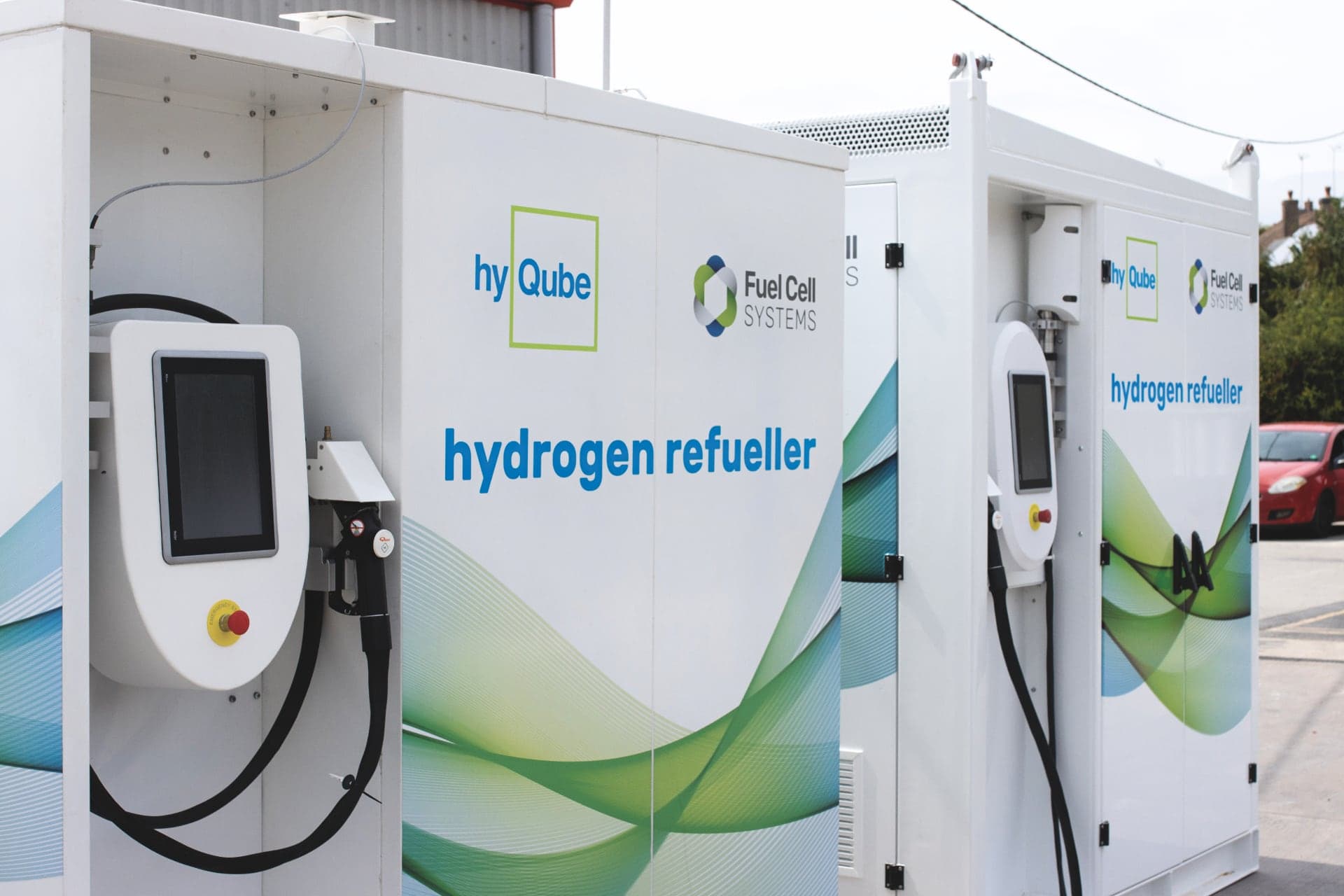
Compared to other energy sources, hydrogen is in the early stages. Globally, hydrogen refuelling manufacturing is in the formative stages. There are proven technologies – including the range of different stationary and mobile solutions we create at Fuel Cell Systems – and many companies are hurrying to scale them. But because this is an early-stage market, there are not yet any dominant international refuelling manufacturers. The early mover advantage is therefore open to those organisations ready to take it, and we have every reason to want that to be a UK company.
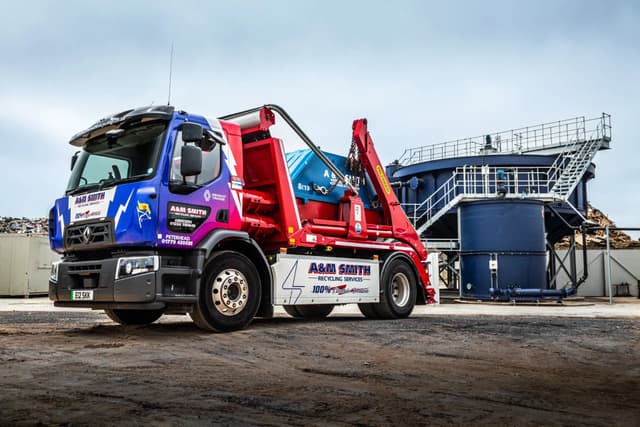
The UK also has the opportunity to control and grow large portions of the hydrogen refuelling and transportation value chains, from design and engineering, through to manufacturing, service, support, and fuel production. There are many players in the UK hydrogen sector, all capable of ultimately supporting a domestic industry and pushing it toward export scale. What’s more, there’s the opportunity to support the uptake of hydrogen powered large vehicles, like long-distance coaches and heavy goods vehicles, and ensure that there are off-take agreements in place for fuel producers.
Building the Value Chain
A model of this full value chain is the development of the UK’s first hydrogen freight corridor, for which Fuel Cell Systems is providing the refuelling stations. The project will place three stations at strategic locations along the M4 to maximise availability for fleets and utilisation of the assets. The UK Government is funding the project through the Department for Transport’s (DfT) Zero Emission HGV and Infrastructure Demonstrator (ZEHID) programme, with most of the support going to British companies.
The case for building UK domestic capacity for refuelling infrastructure alongside other parts of the hydrogen supply chain is economic: it creates jobs and value that flow back to the UK economy. There are also clear operational benefits from prioritising British companies and supporting British industry. British companies have immediate service proximity benefits compared to international ones. Commercial hydrogen refuelling stations, for example, will refuel substantial numbers of vehicles per day. Freight corridor infrastructure must run 24/7, too. When a problem occurs, support services will be needed immediately to keep trucks on the road. Localised service and support from UK-based companies can respond to technical issues much faster than those based overseas.
Making progress
The UK is in the early stages of developing its hydrogen infrastructure. And as such, it faces an infrastructure gap when compared to continental Europe, with around six refuelling stations in operation while there are already around 100 in mainland Europe. The right support is needed to encourage UK hydrogen fuel and refuelling to grow.
The Hydrogen Energy Association (HEA), in tandem with the Road Haulage Association (RHA) and the Construction Plant-hire Association (CPA), have called for specific measures. These include a roadmap for hydrogen fuel and refuelling infrastructure to give investors confidence, and setting demand-side targets to stimulate supply chains and secure supply. On top of this, they are calling for 12-13 new strategically placed refuelling stations along freight corridors, alongside support for back-to-base refuelling hubs.
These would clearly provide a valuable boost to UK infrastructure, but some level of ringfencing must accompany whatever financial support is provided. A portion of the money made available should be committed to UK companies to encourage longer-term domestic capacity.
No second chance
We’ve seen what happens when strategic cleantech industries develop without being prioritised domestically: dependency on overseas suppliers, lost manufacturing capabilities, and economic value flowing abroad. But that doesn’t need to be the case for hydrogen refuelling. The early-stage nature of the global market means first-mover advantages remain available if we act decisively now, and we have model blueprints for how the government can provide focused support.
With coordinated government support, strategic ringfencing of funding and commitment to the full value chain, Britain can lead the hydrogen economy. But there are no second chances; onshoring production 15 to 20 years from now will be much more costly and disruptive than supporting domestic manufacturing today.