Electric freight is entering a more commercially focused phase. Previously, much industry discussion centred on vehicle capability and the availability of public charging. Both remain important. But as more fleets move from trial into early deployment, attention is increasingly turning to how charging infrastructure supports real-world fleet operations at scale.
This is where the Depot Point Operator, or DPO, model is starting to gain traction.
Public rapid charging has largely evolved around short-stay, opportunistic usage patterns. That approach works well for passenger vehicles and will continue to play an important role in the overall charging ecosystem. However, many commercial vehicle operations run on structured routes, defined schedules and planned dwell periods. That creates opportunities to plan energy demand in a more predictable and operationally aligned way than is often possible in public charging environments.
For fleets operating back-to-base duty cycles, depot charging already represents a practical and often cost-effective solution. Charging can be scheduled during overnight dwell periods or planned breaks, helping to minimise disruption to vehicle utilisation. When combined with smart energy management, for example shifting charging outside peak tariff periods and managing standing charges, this can also support lower operating costs over time.
The DPO model builds on this foundation.
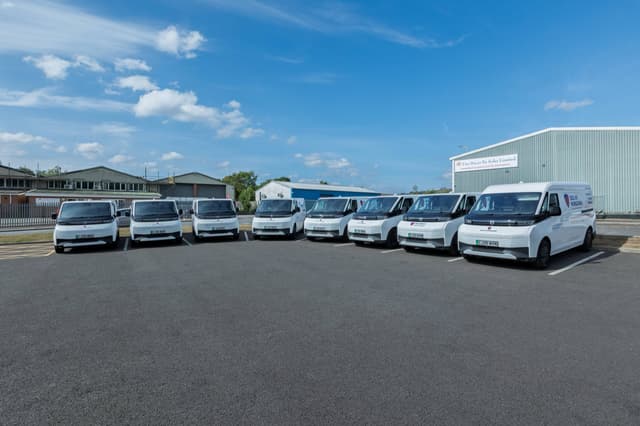
Rather than viewing depots simply as private charging locations, the model treats them as potential shared infrastructure assets. Fleets deploy infrastructure sized around their own operational requirements first. Then, where appropriate, surplus capacity can be made available to approved third-party users, such as local electric van fleets or partner operators, without compromising core fleet performance.
Importantly, this is not about turning depots into open public charging hubs. The emphasis is on controlled access, allowing operators to retain control over who uses their infrastructure and when, based on operational priorities.
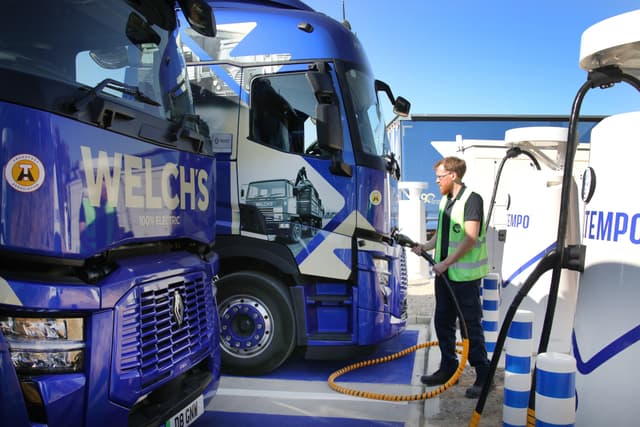
There are also practical location advantages. Many commercial depots sit within major logistics clusters or along active freight corridors. During periods when primary fleet vehicles are on the road, charging infrastructure may otherwise sit unused. Managed third-party access can help improve utilisation while still protecting operational resilience. Add access to ultra rapid charging, such as Voltempo’s Hypercharger which is capable of delivering over one megawatt of power dynamically across six vehicles, and truck recharging starts to offer diesel-like uptime.
Alongside these operational drivers, the wider charging market is also maturing.
Infrastructure is becoming more capital intensive, and investors are placing greater emphasis on utilisation and predictable revenue profiles. In many infrastructure sectors, this naturally leads to consolidation around the highest-performing assets, those with strong utilisation and clear long-term demand signals.
Depot-led infrastructure can offer some of that predictability, particularly where it is anchored around committed fleet demand.
The potential increases further when depot sites are connected into wider networks. Linking depots across key logistics routes can allow fleets to charge at base while also accessing other network locations when required. This will help support longer routes and provide additional operational flexibility.
The commercial model is evolving in parallel. Rather than a single funding approach, the market is seeing a mix of operator-funded infrastructure, Charging-as-a-Service structures and longer-term lease arrangements. This gives operators and site owners more choice in how infrastructure is financed and deployed.
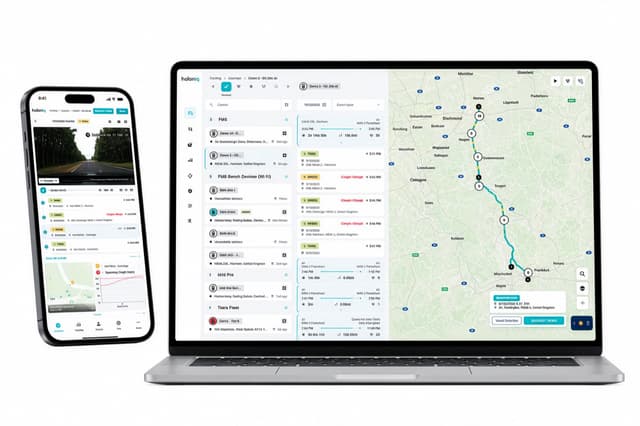
Data is playing an increasingly important role in making these models viable. Using operational fleet data and energy demand forecasting allows infrastructure to be deployed more precisely, supports earlier grid planning and helps reduce the risk of underutilised assets.
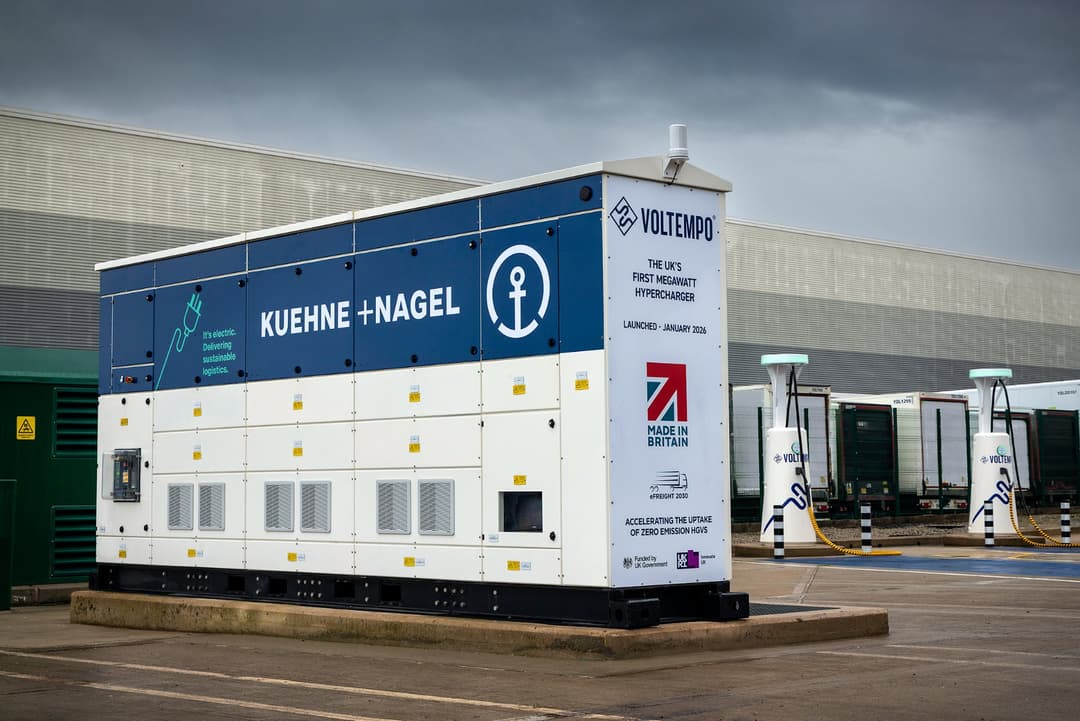
From a Voltempo perspective, the DPO model is central to how we see the market developing and what we are designed to support. Through our work on eFREIGHT 2030, we are helping lay the foundations for the UK’s largest depot-based eHGV charging network, built around connecting high-utilisation depot sites across strategic freight routes.
Public charging is part of the overall ecosystem. But as freight electrification moves from early adoption towards scale deployment, depot-led infrastructure, and the Depot Point Operator model, will be one of the key enablers for practical, commercially viable electrification across the sector.
For many operators, the question is no longer simply whether to electrify. It is how to do it in a way that works operationally and commercially. For Voltempo,the rise of the DPO model is one of the clearest signals yet of how the industry is beginning to answer that question.