The Shift to Electric HGVs and Energy Opportunities

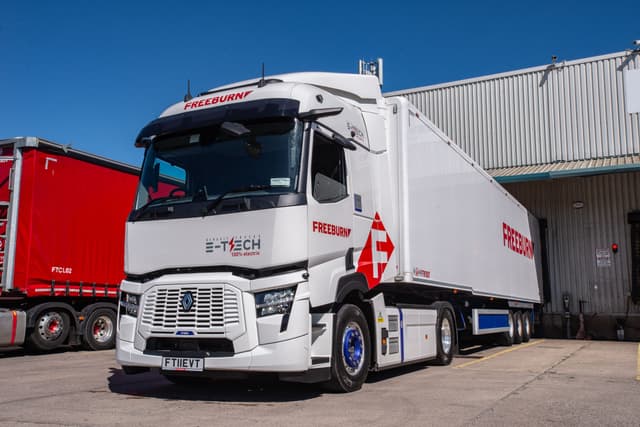
The UK government has set a phase-out for new diesel trucks. All new HGVs at or below 26 tonnes must be zero emission by 2035, and all new HGVs by 2040. HGVs currently produce about 19% of UK transport’s greenhouse emissions, so cutting out diesel matters.
This guide breaks down the basics for total beginners. It busts myths that might spook traditional operators, explains key terms, and shows how even a small electric fleet can tap into energy markets like flexibility trading and energy arbitrage in the UK. We will also explore what happens as you scale up. That means adding battery storage, on-site renewables, and eventually using your vehicles to supply energy back to the grid, the world of V2X.
Myth Busting: Common Misconceptions About eHGVs
Let’s clear the air on a few common myths that confuse logistics teams new to electric. Switching to eHGVs may feel daunting. The reality is more optimistic than the myths suggest.
The electric grid can’t handle a bunch of trucks charging, it will crash or need massive new kit.
Reality: The grid can adapt to EV growth, and electric trucks will not break it. Even if a majority of trucks go electric by 2040, studies suggest it would add around 0.9% to electricity demand per year, which sits within historical growth of generation.
Electric HGVs are too expensive and will wreck our operating costs.
Reality: Upfront, yes, but running costs can be lower. Electric powertrains are simpler to maintain, often around 30% cheaper than diesel. Electricity per mile can be roughly half the cost of diesel per kilometre.
Electric trucks will not have the range or infrastructure for our operation.
Reality: Today’s electric trucks cover a lot of ground. Many eHGV models use multiple battery packs, for example three to six packs giving up to roughly 400 kilometres on a full charge. That handles typical daily urban and regional routes.
Energy markets and ‘flexibility’ schemes are too complex. We are hauliers, not traders.
Reality: You do not need to become a trader. Aggregators and energy service providers handle the complexity. If National Grid offers to pay businesses for cutting usage at peak, a partner can automate your fleet’s response.
Glossary of Key Terms
-
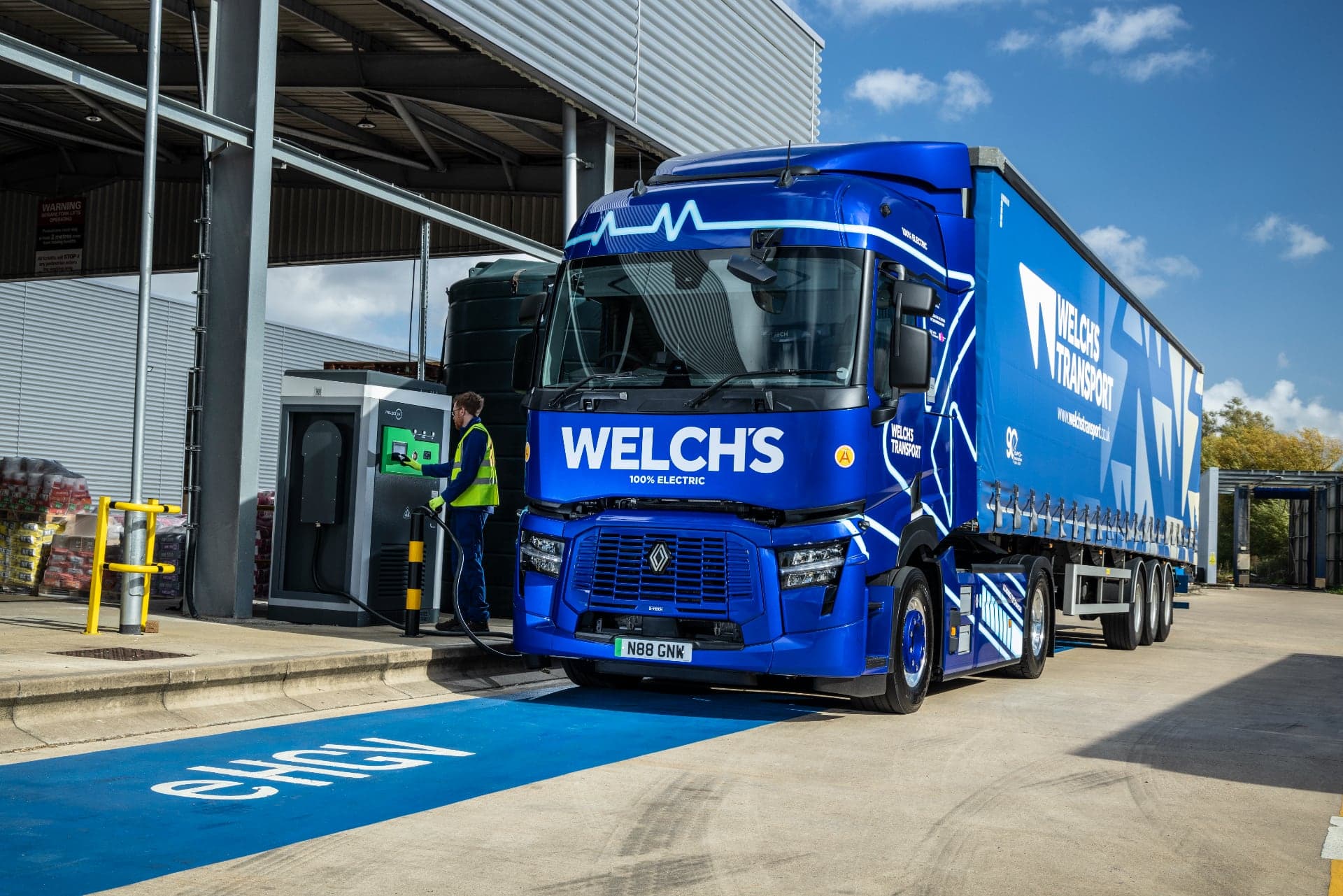
Electric HGV (eHGV): A truck powered by a battery rather than a diesel engine.
-
BESS, Battery Energy Storage System: A large on site battery.
-
DNO (Distribution Network Operator): The company that owns and runs the local electricity wires.
-
iDNO (Independent DNO): A newer breed of private companies that can build and run local grid connections.
-
ICP (Independent Connection Provider): Accredited contractors who do the physical work of installing your connection.
-
Smart Charging: Software that controls when and how fast EVs charge.
-
Flexibility, Demand Side Response: Adjusting your power consumption based on grid needs.
-
Flex Trading: Participating in markets that trade flexibility.
-
Energy Arbitrage: Buy low, sell high for electricity.
-
Vehicle to X, V2X: Energy flowing from the vehicle’s battery to something else.
-
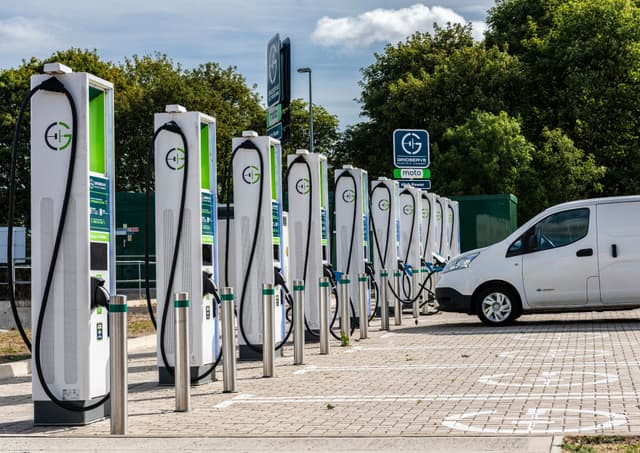
Energy or Charging Infrastructure: The hardware you need to charge eHGVs.
-
Aggregator: A company that bundles many small energy assets to play in big energy markets.
Getting Started with eHGVs and Energy Management
-
The trucks: You need one or more eHGVs. A small pilot is fine.
-
Charging and power: Install suitable charging at your depot.
-
Smart control: You need timers or software to schedule charging for off peak tariffs.
-
The right tariff: Review your electricity contract.
-
A partner for market programmes: Work with an aggregator or energy services provider.
-
Operational planning and training: Brief drivers, depot managers, and planners.
Starting Small: What Can a Few Electric HGVs Achieve
You do not need a massive fleet to see benefits. One to five eHGVs can deliver savings and build your energy muscle memory.
-
Fuel cost savings from off peak charging
-
Avoiding peak demand charges
-
Learn by doing
-
Step toward energy trading
-
Environmental and brand benefits
Scaling Up: More Trucks, Batteries, and On Site Renewables
Once the pilot works, you may electrify a bigger slice of the fleet. New challenges arrive, but you get more tools to handle them.
-
Power management becomes critical
-
Deploying a BESS, your new best friend
-
On site renewables, solar and sometimes wind
-
Participating directly in energy markets
V2X and the Future: Turning Fleets into Virtual Power Plants
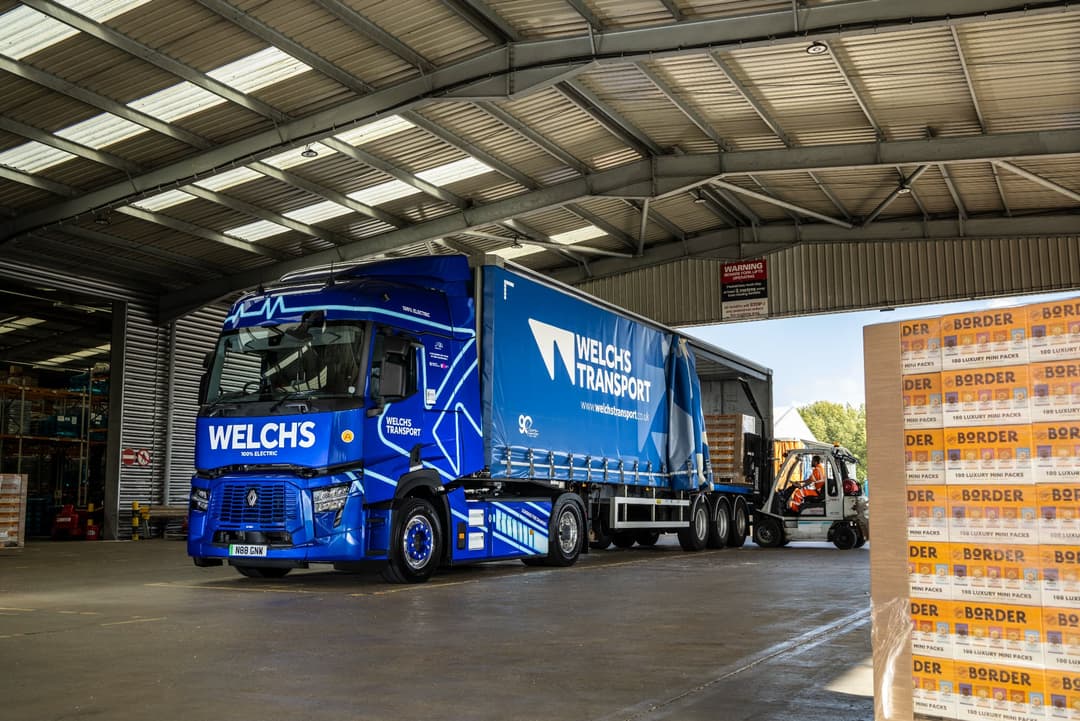
The next stage is when your fleet not only charges smartly but also provides power back. That is V2X. Trials in the UK and abroad show it works and can be profitable if managed well.
-
Revenue in downtime
-
Grid support and stability
-
Vehicle to Building benefits
-
Real examples and revenue potential
-
Battery health considerations
Conclusion: Embrace the Journey from Diesel to Data Driven Electric
Shifting to electric HGVs is a big change for diesel focused operators, but the steps are manageable and the upside is real. Start small. Use time of use savings. Bust the myths. The grid can cope and can even pay you to help.
By turning your electric HGV fleet into a smart, interactive part of the energy system, you are not just adapting. You are creating an advantage. Lower costs, new revenues, a cleaner profile, and a future ready operation.