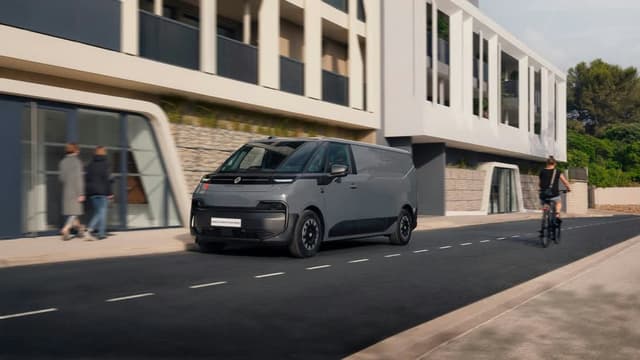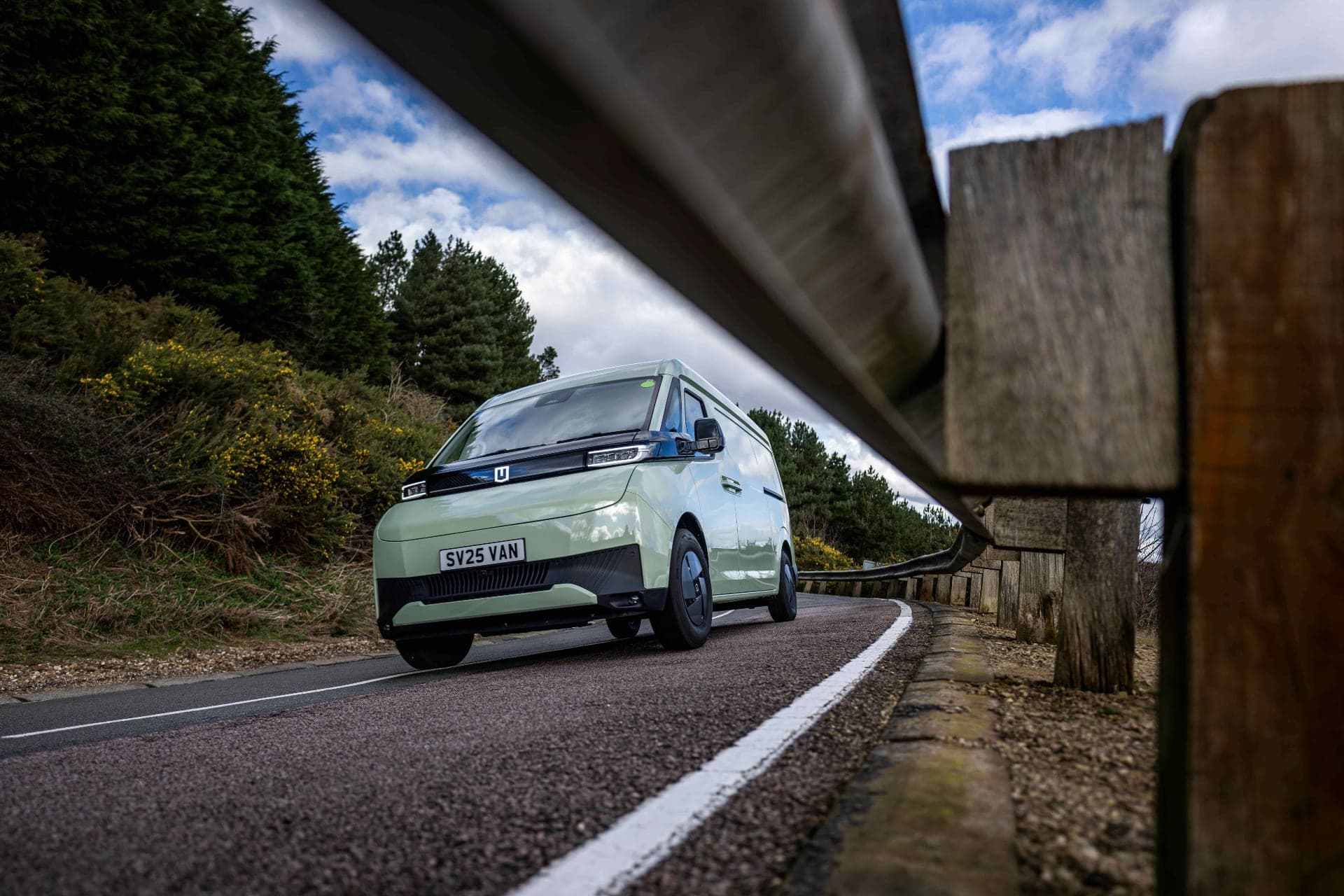
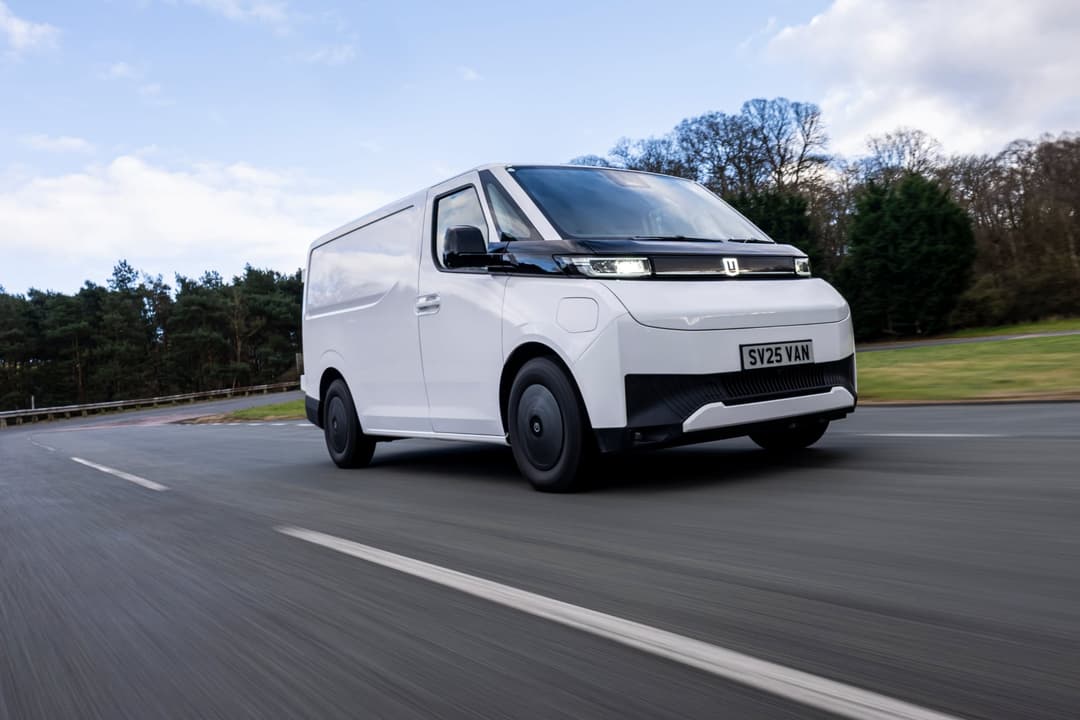
Our test route across the North-West of England is designed to reflect genuine fleet use rather than idealised proving-ground conditions. The vehicle was driven on flowing A roads, tighter mixed B roads and, importantly, over a longer distance run from Manchester to Marlborough in Wiltshire. The objective was to assess real-world drivability, comfort and usable range.
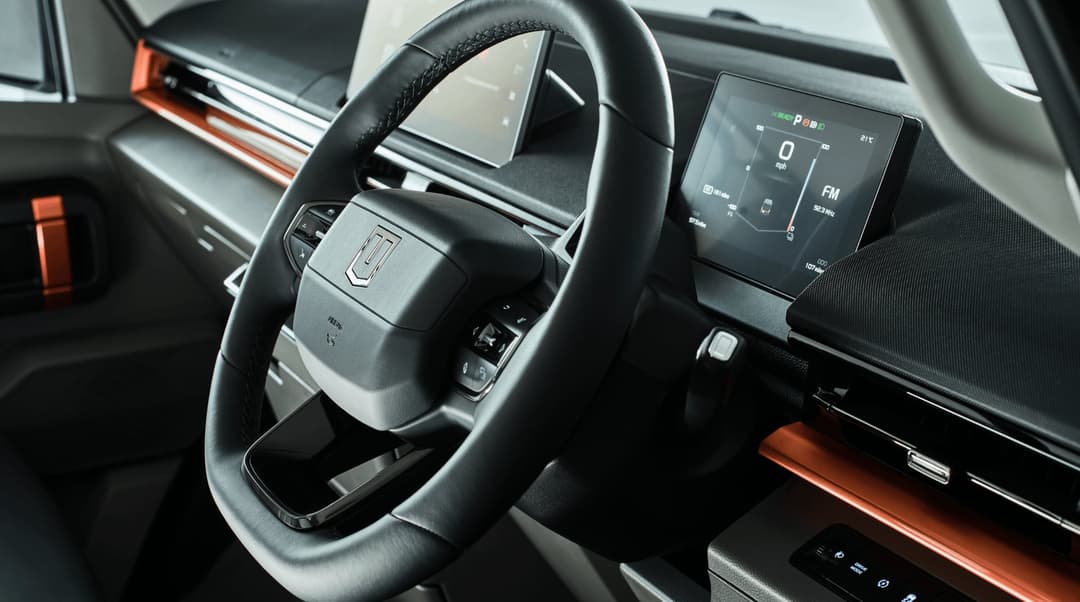
Step in, and the Farizon SV L3H3 makes a strong impression inside the cab. The standout feature is the driving position, which is probably the best currently available in the large electric van sector.
Farizon has clearly invested significant effort into driver ergonomics. The seat offers generous adjustment and excellent support, allowing drivers of varying builds to find a natural and relaxed posture quickly. The relationship between seat, pedals and steering wheel feels well resolved, and the elevated seating position provides a commanding view of the road ahead.
Over extended time behind the wheel, the benefits of this setup become even more apparent. Fatigue levels remained impressively low, even during the longer Manchester to Marlborough run. Visibility is equally well judged, with effective mirror placement and good forward sightlines, which proved particularly helpful on the narrower B roads encountered during the test.
On A roads, the SV quickly settles into a composed and refined cruising manner. Power delivery is smooth and progressive, with none of the abrupt responses sometimes associated with newer electric commercial vehicles. The van builds speed confidently and maintains higher-speed running without strain. Cabin refinement is strong for a high-roof vehicle of this size, with low drivetrain noise and well-controlled road intrusion contributing to a relaxed long-distance feel.
The mixed B-road sections in the North-West are often where larger vans begin to feel cumbersome, but the Farizon remains well mannered. While the L3H3’s dimensions are undeniably substantial, the vehicle is easy to place on the road. Steering is light yet consistent, allowing accurate positioning through tighter bends and along narrower rural routes. Body control is respectable, and the suspension deals competently with uneven surfaces typical of secondary roads. The overall impression is of a van that behaves predictably and inspires confidence rather than demanding constant correction.
Range remains the critical metric for electric van operators, and here the 106kWh battery delivers a convincing real-world performance. Across our mixed driving profile, we achieved a range comfortably in excess of 200 miles. This figure included A-road cruising, B-road work and the extended Manchester to Marlborough journey, making it far more representative than laboratory figures. For many regional distribution and service fleets, this level of real-world capability moves the SV firmly into practical daily usability.
The longer inter-urban run further reinforced the vehicle’s credentials. Efficiency remained stable over distance, and the calm, well-insulated cabin made sustained driving notably undemanding. Crucially, the vehicle feels engineered for more than just urban stop-start work, giving it broader operational appeal.
Practicality in the load area is another strong point. The load space itself is well executed, offering the kind of clean, usable volume operators expect in this class. Rear door access is straightforward and user-friendly, and overall cargo usability feels properly thought through rather than an afterthought.
One particularly welcome detail is the provision of three three-pin plugs positioned just inside the rear doors. This is a genuinely useful feature for many trades and service operators, allowing tools or auxiliary equipment to be powered directly from the vehicle without additional modification. It is a small but intelligent touch that reflects real-world use cases.
Farizon has also introduced a genuinely distinctive body design feature. The absence of a traditional B-pillar on the passenger side allows notably improved access through the side loading doors. For operators working in tight urban environments or frequently handling bulky items, this wider, less obstructed opening could prove extremely valuable. The engineering solution is complemented by the unusual placement of the passenger seat belt, which is mounted within the door itself. It is an unconventional approach, but in practice it works neatly and contributes to the improved access.
Taken as a whole, the Farizon SV L3H3 106kWh feels far from a tentative newcomer. The vehicle demonstrates a clear understanding of fleet priorities, from driver comfort to real-world range and practical load area usability. While brand recognition in the UK will naturally take time to build, the connection to the Geely group provides a degree of reassurance regarding engineering depth and long-term support.
The conclusion is clear. The Farizon SV delivers good drivability and genuinely excellent comfort, underpinned by a real-world range well beyond 200 miles and thoughtful practical features in the load area. As a new entrant backed by the scale and capability of Geely, it is a van that serious fleet operators should be watching closely.