The Shifting Commercial Vehicle Landscape
The increasing presence of Asian brands in the van and truck market, the direction of government policy highlighted in the recent Budget, advances in autonomous technology, new generational attitudes to mobility and buying decisions and a noticeable evolution in design thinking are all happening simultaneously. None of these trends sits in isolation; together, they’re reshaping the way the industry competes and how it plans ahead.
One thing that does remain fairly steady is the natural LCV demand base, at around 250,000 vehicles in the 2.8–4 tonne segment per annum. With that in mind, each new OEM market entrant simply increases competitive pressure on established players, even as vehicles become more efficient and sustainable. Maintaining market share becomes a tougher task for everyone.
Legislative Pressures and the Budget
That pressure is heightened by the growing stream of legislation around the decarbonisation of transport, with the Government’s November Budget giving a clear indication of where policy is heading. For the first time, we’re seeing moves to introduce additional tax burdens on those who have already gone electric in the car market. This naturally raises the question of how soon similar measures might reach the commercial vehicle sector.
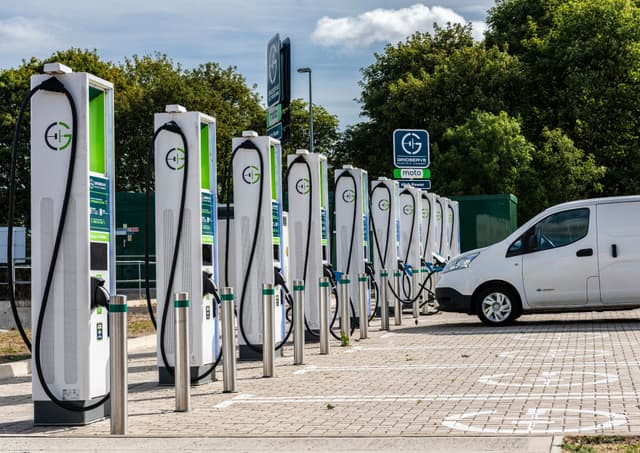
It was encouraging, then, to see the Budget exclude vans and HGVs from the forthcoming Electric Vehicle Excise Duty in April 2028. It gives operators a clearer view of the investment landscape and acknowledges the tight margins the transport and logistics industry works within. The ten years of 100% business rates relief for eligible EV charge points and EV-only forecourts reinforces the travel towards zero-emission transport. Alongside this, the additional £100 million for charging infrastructure - on top of the £400 million committed at the 2025 Spending Review - shows continued support for expanding national charging capacity. For operators weighing up the switch to electric vehicles, that level of commitment to charging infrastructure is essential.
The Budget also makes it clear that government thinking when it comes to vehicles now extends beyond emissions. There are strong indications that congestion is becoming part of the policy equation, with cost increasingly being used as a lever to influence mobility choices.
The Vision for Urban Logistics
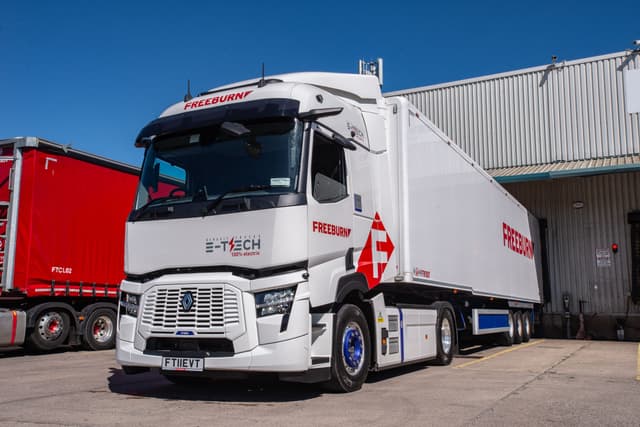
At Renault Trucks, our vision of The Good City aligns well with this direction of travel. It’s our blueprint for how cities and larger towns could operate with all vehicles running at zero emissions, while ensuring logistics operators can still provide every service needed in a way that is calm, clean and efficient. Significantly, this isn’t a distant or idealistic concept. Around 90% of the vehicles required to bring The Good City to life exist today. The path ahead is about implementation rather than invention.
This thinking goes back to March 2021, when we revealed the HDD Express concept: an eco-friendly, quiet and emissions-free urban transport solution, ready for the future possibility of driverless or platooning applications. It demonstrated how design and technology can support the demands of tomorrow’s urban environment. Some aspects will work better in certain locations than others, but the future will always be a blend of what works today and what becomes possible tomorrow.
The Role of Design and Individuality
This period of change also raises a wider question around vehicle design direction. We are seeing more shared platforms across brands - sometimes three, four or even five models using the same core architecture, differentiated only by grille or trim. From a cost and lifecycle perspective, this is entirely logical and brings real benefits in development and parts supply. But it does risk turning vehicles into commodities, where individuality is pushed aside.
It may be that newer buyers place greater emphasis on efficiency and operating costs than on design cues. Even so, for many SMEs a van fleet isn’t just a tool - it’s a visible statement of the business. The look and feel of a vehicle matters because it represents the company out on the road, not just in terms of functionality but identity.
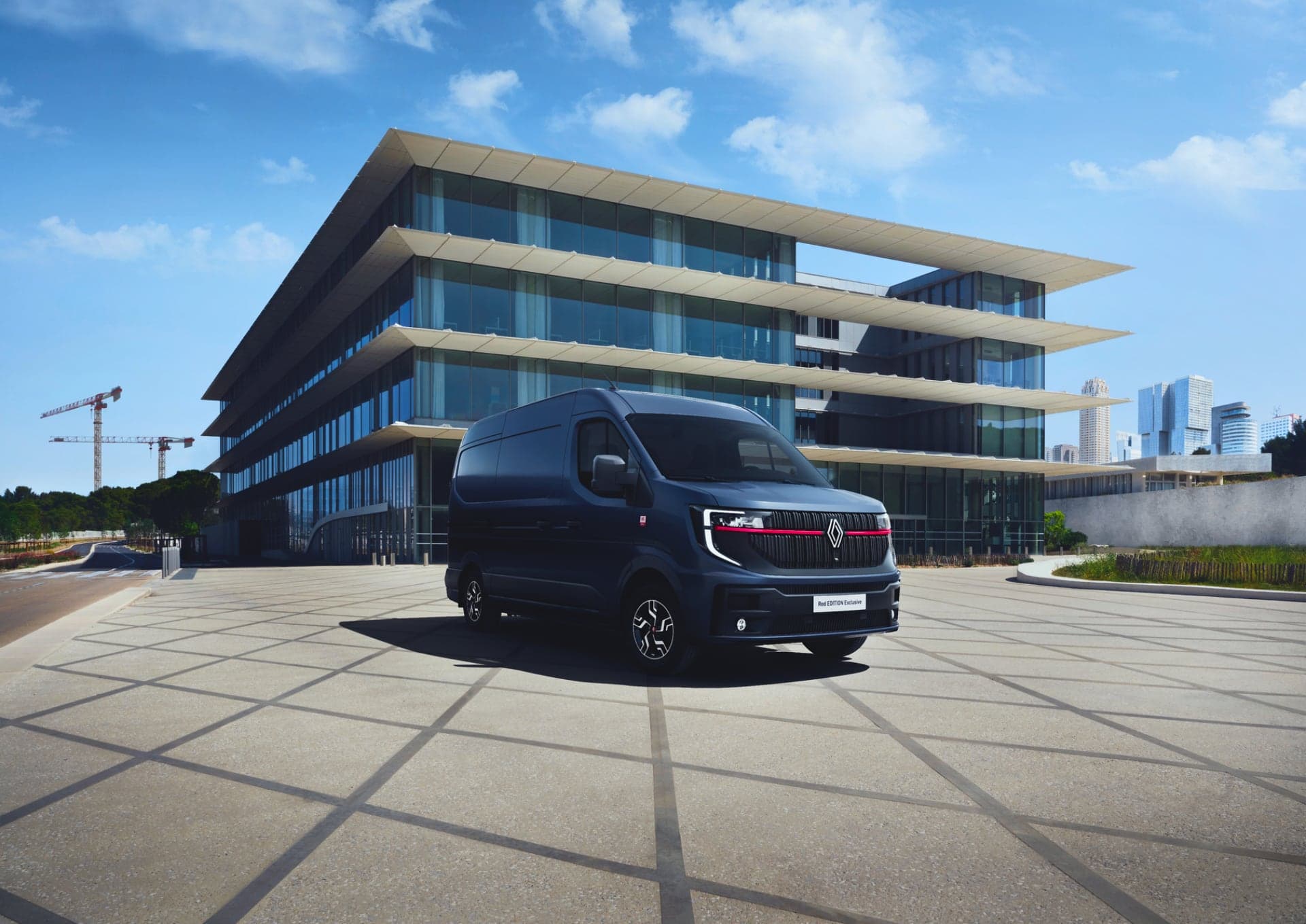
That’s why creativity remains important. Whether in today’s vehicles or future concepts like HDD Express, success will depend on finding the right balance between capability, technical strength, suitability and desirability. With more global brands entering the European market, that balance becomes even more crucial. The response to the Renault Trucks Master Red Edition underlines this point. It has appealed to operators who might not previously have considered us, proving that practical strengths paired with genuine driver appeal still carry real weight.
Conclusion
Looking ahead, the direction is clear: greener, cleaner and quieter transport is becoming the norm, especially in Urban and Regional logistics sectors. As we move into 2026, there are real opportunities for the sector to benefit from today’s electric drivetrains. But from an OEM perspective, we must remember that a van is often an extension of a business’s values and aspirations. Individuality in design and presence still matters, and simply following the herd risks pushing us towards a commoditised world where creativity is lost.