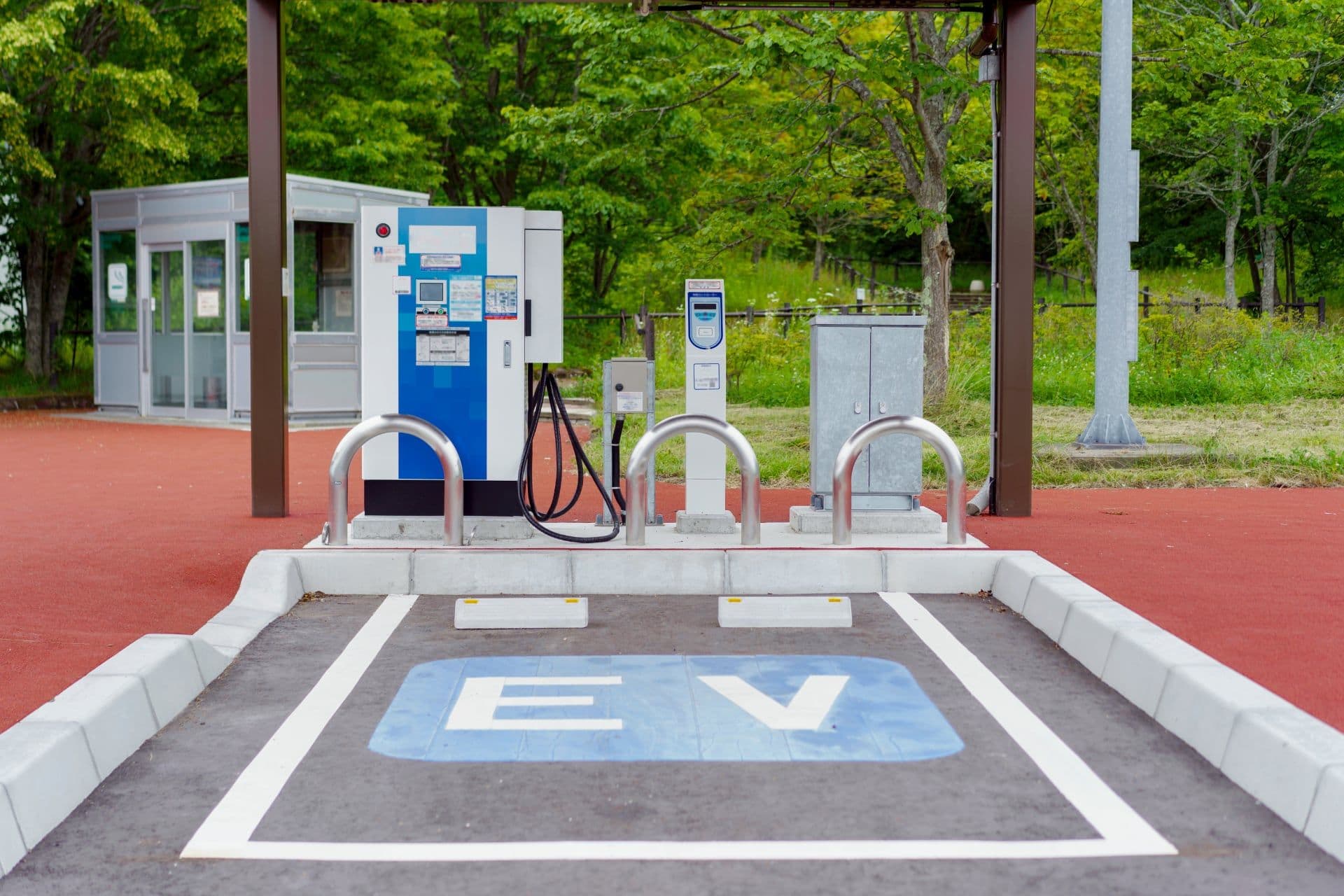
Paul Hollick, chair, AFP, says such facilities, available out-of-hours, can often be found near to employee’s terraced homes and apartments.
“In practical terms, not having home charging is probably the biggest blocker to electric vehicle (EV) adoption for fleets. Needing to charge during the daytime creates downtime that financially impacts on the core business and operational arguments for going electric, as well as usually being much more expensive than using a domestic charger.
When fleets are considering which vehicles to electrify, this issue is often at the forefront of their minds. Uncertainty around the time, cost and location of charging for drivers and their cars and vans creates a lot of doubt. However, the AFP shared charging network provides a ready, drop-in solution that reduces or removes charging downtime thanks to an approach that gives fleets certainty.
Our method is to identify charging needs for each individual fleet vehicle then, using intelligent data, match them with locally available, privately-owned facilities within our network. The owners of these shared chargers are signed up to our initiative on best practice terms, solving the problems of both convenience and cost.”
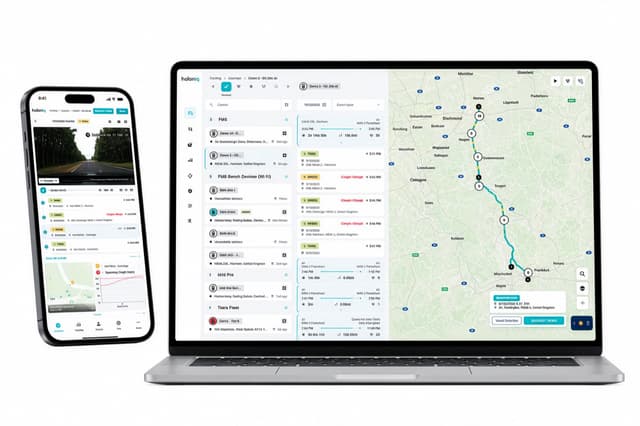
Working with its partner, Evata, the AFP launched their shared charging network and its accompanying portal and app in May, enabling vehicle operators to collaborate with peers to access charging at preferential rates, while allowing charger owners to achieve improved utilisation and margin.
Shakeel Ali, CEO of Evata, said momentum behind the project was building:
“Our approach is very much consultative. We work with fleets to identify suitable shared provision in locations meeting their requirements, enabling them to transition in cases where EVs had previously been impractical because of an absence of overnight charging availability.
By providing a data-driven approach to this structural problem, we do the heavy lifting, presenting each fleet with a comprehensive solution tailored to their needs. It is a significant and highly effective departure from the more conventional charging products provided by the market today.
Having built up a substantial network and database of chargers, we are now in conversation about shared charging and operating pilots with both public and private sector bodies, as well as consortiums of all kinds. Everyone can see the potential.”
The online portal for fleet operators and self-serve mobile app for drivers together deliver fully secure means for shared charging to be delivered, Shakeel added.
“The portal offers visibility and control of shared charging use for fleet managers while the app provides information for drivers about charger locations, availability and any specific information prevalent to the site. As facilities can be on controlled sites, they may need to know about health and safety, for example, so we provide a digital first approach to ensuring the driver has the necessary information at hand and in a workable format.
Also, the app provides drivers with the ability to book charging in advance, creating a further layer of convenience.”
Fleets interested in taking part in AFP shared charging as either a user or provider should contact administration@theafp.co.uk.