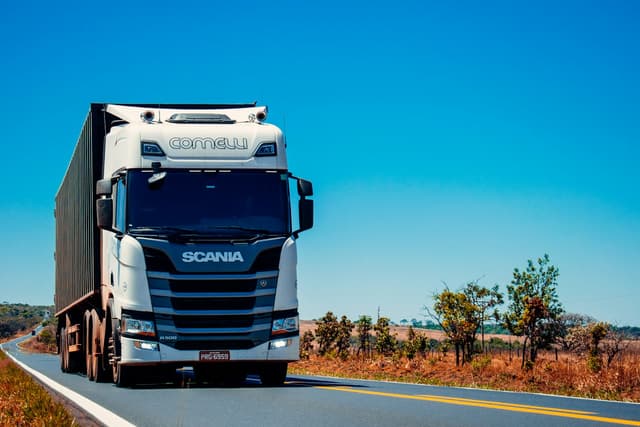
A family-owned haulier is championing HVO after making a commitment to sustainability for its customers.
T&J Haulage, which is based in Ribble Valley and this year celebrates its 40th anniversary, says using the diesel alternative HVO (Hydrotreated Vegetable Oil) in its fleet has enabled them to meet demands from sustainability-conscious customers, while maintaining their business model.
Speaking exclusively on Certas Energy’s podcast, HVO on the Road, Steph Crack, Transport & Compliance Manager at T&J Haulage, says the requirements of customers set them on their green journey, but their own extensive research confirmed HVO was the best choice for moving forward.
Rising to the occasion
It all started when a Scottish customer that was committed fully to HVO asked for some support during harvest season, but required the trucks to run on HVO.
HVO is a widely available drop-in alternative to traditional diesel. It can slash greenhouse gas emissions from a vehicle by as much as 90%1 compared to standard diesel, and is fully compatible with the majority of diesel engines.
“We were a bit dubious,” explained Steph. “We didn’t know a great deal about it, but our client reassured us and when our driver came back, he had a lot of positive things to say about it. At that point a seed was planted and we decided to have a look ourselves as a responsible haulier.”
Steph said they were initially reluctant to use HVO themselves due to the increased price, and considered alternatives such as carbon offsetting, electric and hydrogen. However, each failed to meet their needs. The conversion of their fleet to electric trucks alone would cost two and a half times as much as a truck with an internal combustion engine.
Steph added: “As responsible hauliers we are all going to have to do something – and we want to do something – but it’s about making the right choice.
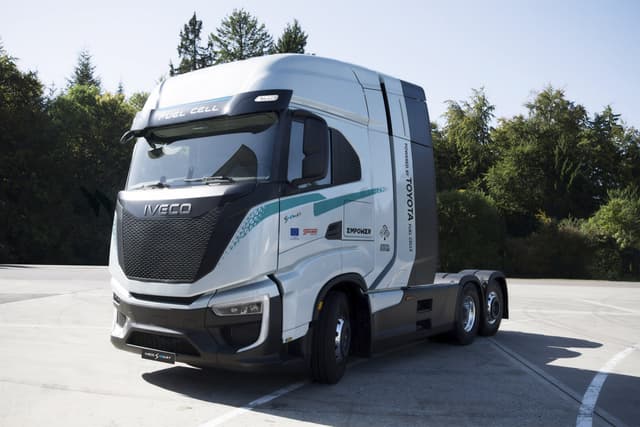
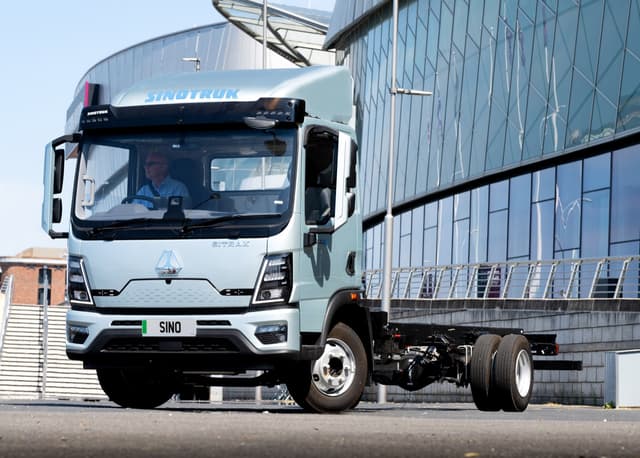
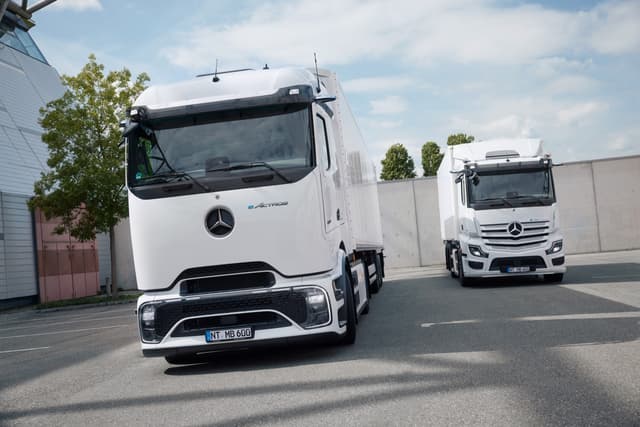
“We looked at electric but we were completely priced out. The electric trucks don’t have the range, cost a lot more to buy and they are 4 tonnes heavier than diesel – when you get paid by the tonne that has a huge impact. On a conservative estimate, we could potentially lose around 63,000 tonnes payload a year across the fleet – it just doesn’t make financial sense. That would also create a further 2,520 journeys just to cover those missed tonnes!”Doing the research
In early 2024 a multinational customer requested the firm use biodiesel, which led to T&J Haulage researching HVO more thoroughly.
Steph said: “A bio-blend diesel would create a lot more servicing and at shorter intervals, and our dealership was unsure about it. But we were keen to do something, so in early 2024 we decided to carry out some trials to run diesel and HVO on a like-for-like basis.”
Because HVO is a drop-in alternative to standard diesel, and doesn’t require any modifications, T&J Haulage have been able to use HVO exclusively for their multi-national customer – which equates to running one truck in their fleet of 21 on HVO constantly.
Steph said: “We are still at the beginning of our journey, at the moment the use of HVO equates to just over one truck a week, which is nearly 5% - it’s a toe in the water but it makes a big difference to the environment.”
The firm’s decision to introduce HVO where it makes business sense, was made easy in practice by Certas Energy’s FuelTapp. It’s the UK’s first digital fuel card, which enables users to pay for fuel at Certas Energy bunker sites using an app-generated PIN. It makes it possible for drivers to switch seamlessly between fuels on each journey according to the client’s needs. It also helps eliminate lost or cloned cards.
Steph added that drivers prefer using HVO because the lack of smell makes a huge difference to the driving experience. She said: “It takes a lot of washes to get diesel out of your clothes. If you get diesel on your boots, your gloves, it makes the whole cab smell. With HVO there is no smell – so it’s much more pleasant to drive.”
Steph also talked about the difference hauliers can make to the transport carbon footprint and how haulage firms can work together to drive down the price of HVO – all on the latest episode of the HVO on the Road podcast.
Podcast host Millie Jones, from Certas Energy, said: “This podcastaims to open up the conversation about HVO and its benefits, and T&J Haulage are a great example of a family owned business making a difference with HVO. Transitioning to HVO over time is something we’ve done with our own fleet at Certas Energy, so we’ve seen first-hand how easy it is to make a start.
“We are thrilled that T&J Haulage have taken the first steps to adopt alternative fuels like HVO, and we hope their story will inspire others to follow suit. As Steph explained so well, you don’t have to commit to changing your whole fleet in one go. You can try it on one or two trucks and the benefits will speak for themselves.”
Hear more about T&J Haulage’s journey to HVO in the latest episode of ‘HVO on the Road’ - the industry’s first podcast dedicated entirely to HVO. Stream for free on Spotify and YouTube.