Hitachi ZeroCarbon and GRIDSERVE have today published the Electric Freightway Project’s second report. The report provides a comprehensive overview of the collective work of Hitachi ZeroCarbon, GRIDSERVE and the project consortium to prove the capabilities of electric Heavy Good Vehicles (eHGVs), and accelerate the decarbonisation of HGVs in line with the UK’s net-zero strategy.
Electric Freightway, led by GRIDSERVE, is part of the Zero Emission HGV and Infrastructure Demonstrator programme, funded by the Department for Transport and delivered in partnership with Innovate UK.
Today’s publication is the second report, following the initial outline of the project’s approach and objectives in Report 1, published in March 2024. It shows that the consortium of more than 30 members have made good progress in the demonstration, design and implementation of eHGV infrastructure, and have:
-
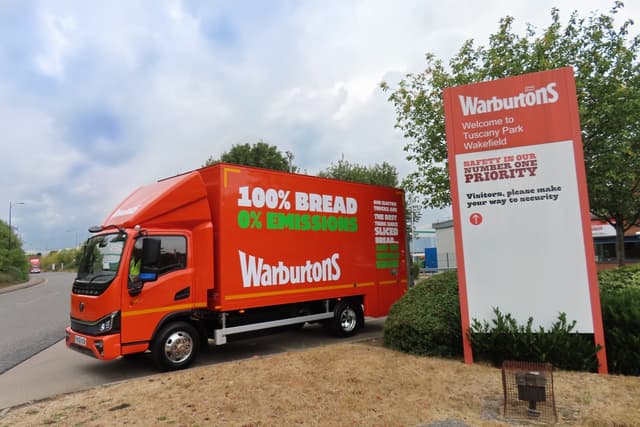
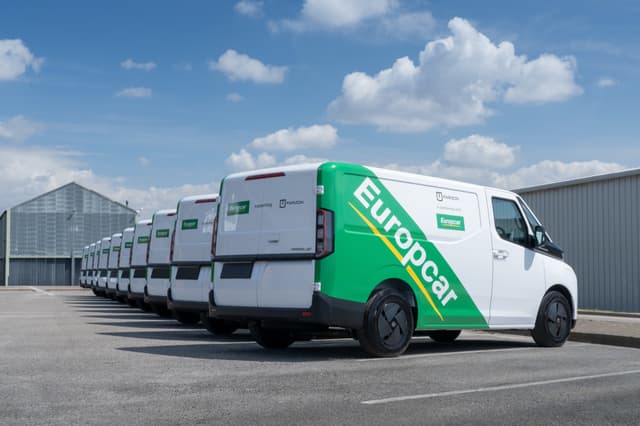
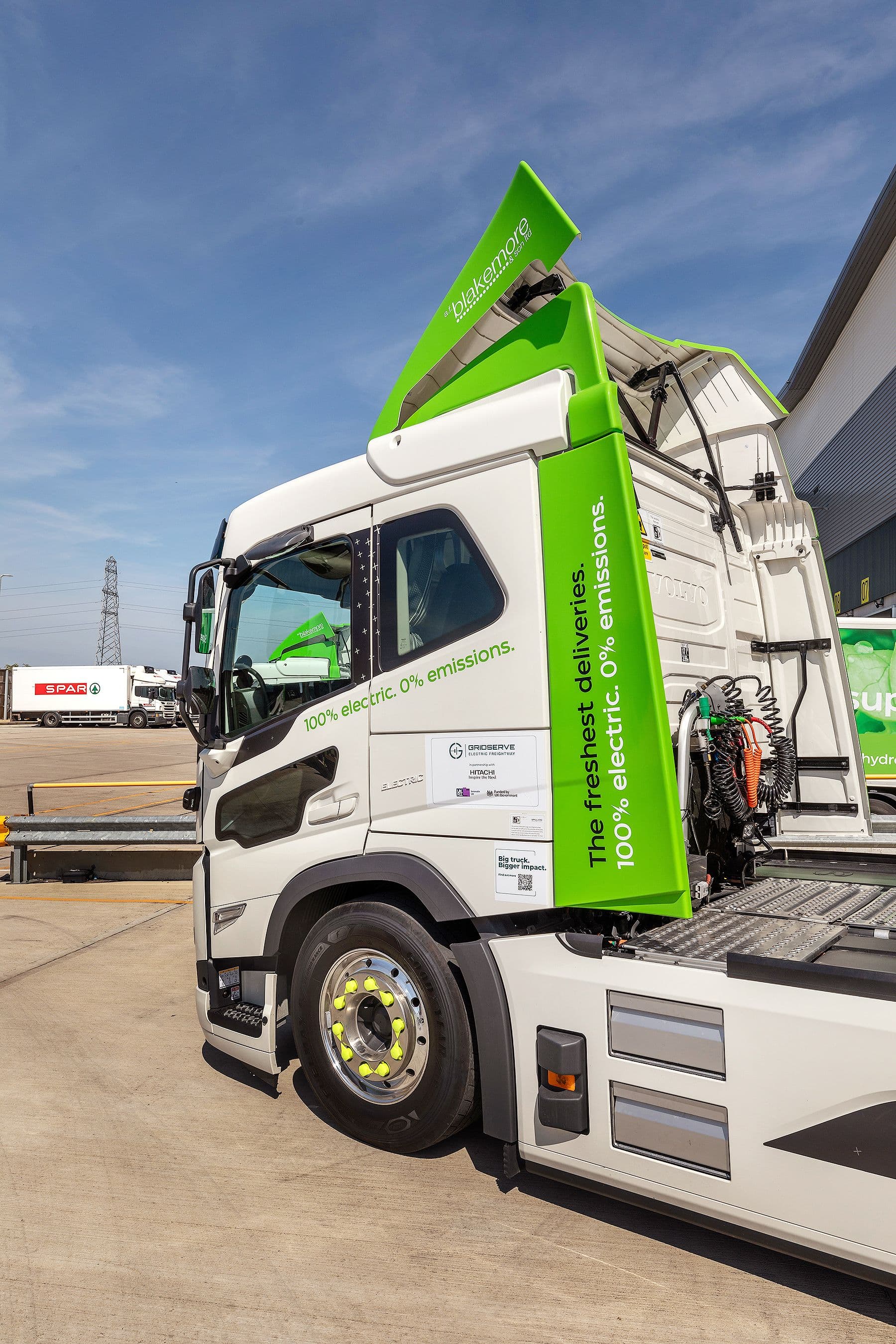
Put eHGVs on the road - Project partners A.F. Blakemore and Son, Samworth Brothers, Boughey and United Utilities have all added eHGVs to their existing fleets. Other consortium partners have placed orders and are eagerly awaiting delivery of their eHGVs.
-
Placed data at the heart of the project’s mission: Hitachi ZeroCarbon has successfully developed a comprehensive data analytics platform that will objectively compare the operational performance of diesel HGVs to eHGVs, and offer valuable insights that will accelerate the journey to electrification of organisations across the UK. Platform results will start becoming available in the next report.
-
Conducted interviews and surveys of the industry: Hitachi ZeroCarbon has interviewed senior managers and drivers of HGVs ahead of electric truck deliveries to understand views on the perceived benefits like reduced noise and environmental impact, and concerns about how range and access to charging will impact daily operations.
-
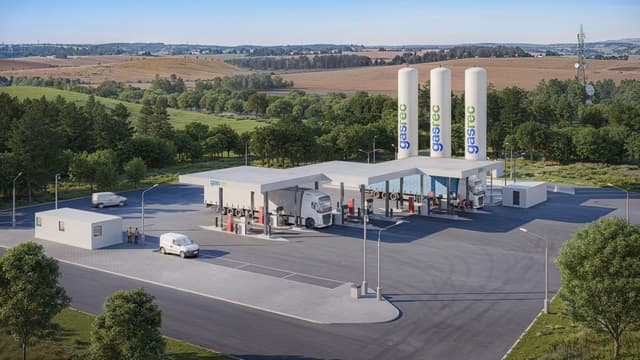
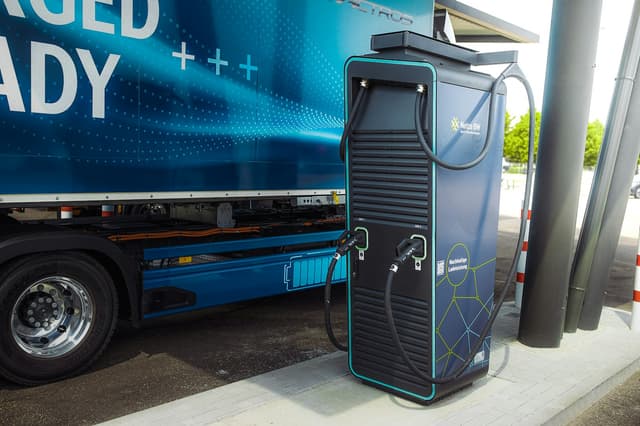
Designed some the first eHGV specific charging stations in the UK - Consortium lead GRIDSERVE has extensively consulted on eHGV charging infrastructure and has now designed both depot-based and public high-power charging stations, with first sites expected to come online in the coming months.
The report shows that the project consortium has prioritised research and planning to lay the groundwork for an efficient and effective transition to eHGVs. It highlights the complexities of building advanced eHGV charging networks, and the need for stakeholders across industry and government to come together to solve them.
GRIDSERVE has worked with consortium partners to secure public and private charge stations that will be pivotal to the project’s success. This includes navigating a web of viability and feasibility studies, site surveys and agreements, local stakeholder and driver engagements, permissions, network capacity and legal agreements, in addition to the infrastructure build and maintenance.
Beyond physical infrastructure, the report also highlights the importance of digital technologies in delivering best-in-class data management and analysis. It shows that Hitachi ZeroCarbon’s platform will play a critical role in proving the industry is ready for eHGVs and will equip fleet operators and managers with the insights needed for the journey towards electrification.
“Our analysis of environmental benefits alongside total cost of ownership will help provide a strong investment case for future eHGV deployments,” commented Leon Clarke, Head of Operations and Delivery at Hitachi ZeroCarbon.
“We fundamentally believe that smart, actionable data can underpin enhanced battery health, fleet route planning and charging sessions, and so accelerate the path to electrification. We are enabling logistics companies to compare total cost of ownership to make the investment case for transitioning their fleets to EVs. We’re excited about using our platform to draw analysis from real-world eHGV demonstrations and prove its benefits throughout the project lifecycle.”
Sam Clarke, Commercial Lead, GRIDSERVE added: “With Electric Freightway, we are writing the rule-book on the development and deployment of public and private eHGV infrastructure in real-time. We are in the process of creating a viable eHGV network at the lowest possible cost, in the fastest possible time frame, all with fleet managers and operators in mind.
“Since the last report we have made tangible progress, and have conducted extensive planning and preparations to deliver our first milestones of getting eHGVs on the road, and charging stations deployed. This report keeps us honest and accountable, and shows our diligence in creating infrastructure which will ensure we deliver world-leading transport infrastructure that is fit for the future.”
Future of Roads Minister Lilian Greenwood said: “Electric HGVs will play a large part in the future of our freight industry, so it’s fantastic to see the successes of the projects detailed in this report.
“A greener transport network is a key priority for this Government, which is why our demonstrator programme aims to scale up zero emission HGVs and install the right infrastructure to decarbonise road freight. This is an excellent example of industry and government collaborating to reach net zero.”