Share this post
SMMT claims route to electrification is blocked for commercial fleets

SMMT claims route to electrification is blocked for commercial fleets

Published on 01 Jun 2025 • 3 min read

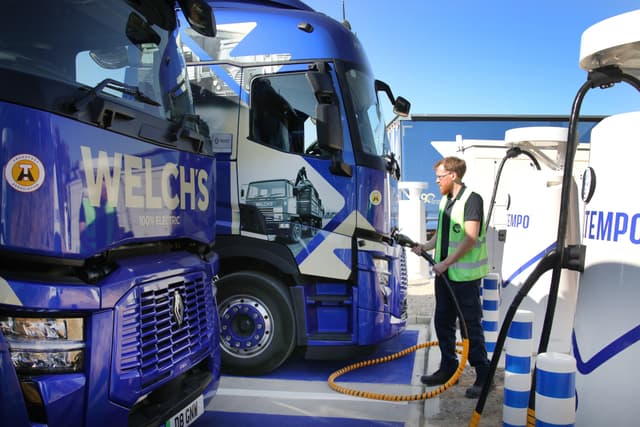
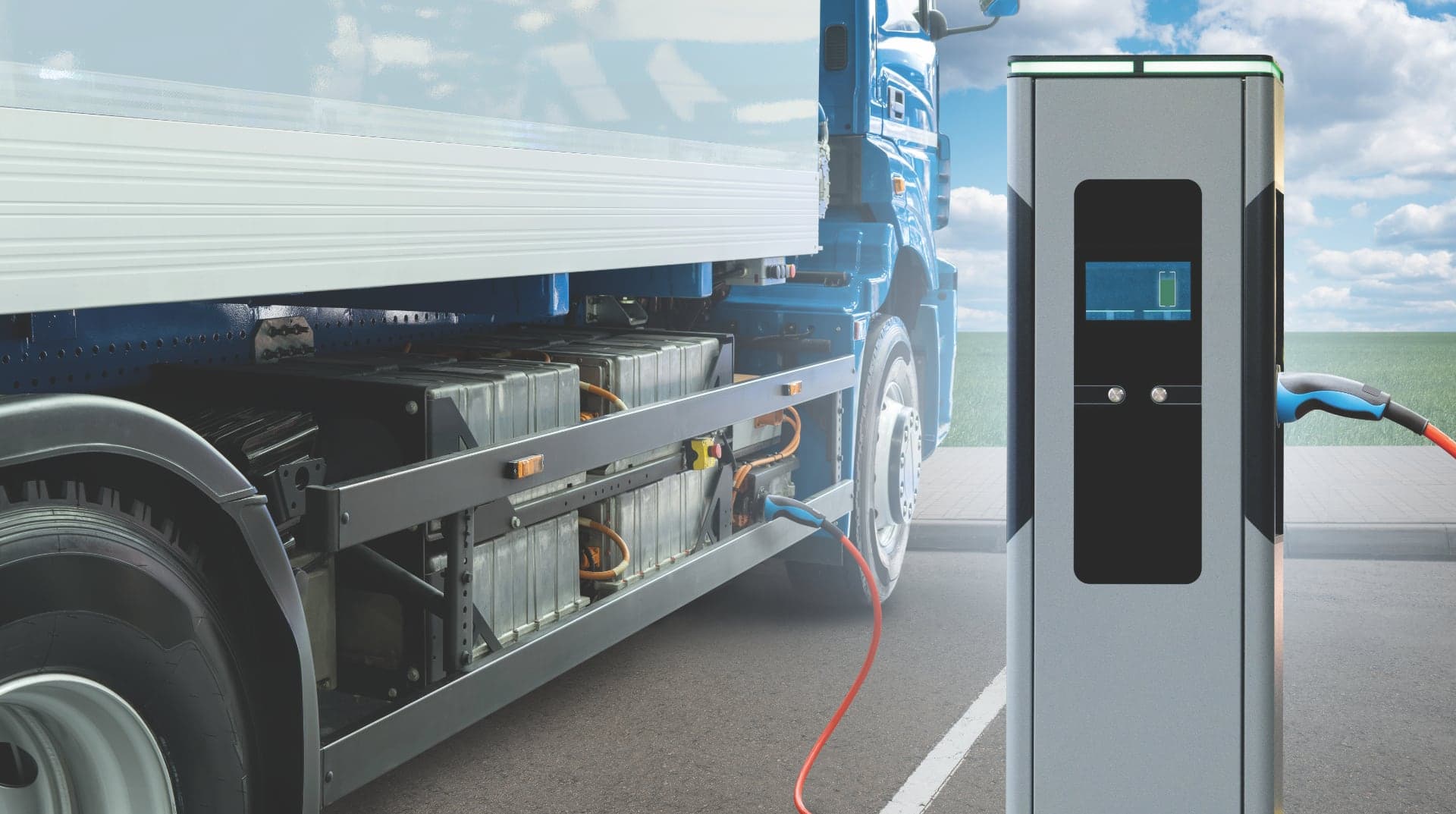
Businesses wanting to change to electric vans and trucks are being prevented from doing so by having to wait years to upgrade grid connections to power depot charging. Companies are currently waiting up to 15 years to be connected to the grid, with the grid connection queue having grown tenfold over the past five years, according to the Department for Energy Security and Net Zero.

The Society of Motor Manufacturers and Traders (SMMT), says the delays mean many commercial vehicle operators’ electric vehicle investments are blocked and will remain so even after fossil fuel vehicle sales end. The sale of new, fossil-fuelled vans and HGVs under 26 tonnes is due to end in 2035, while all new HGVs sold in the UK must be zero emission by 2040.

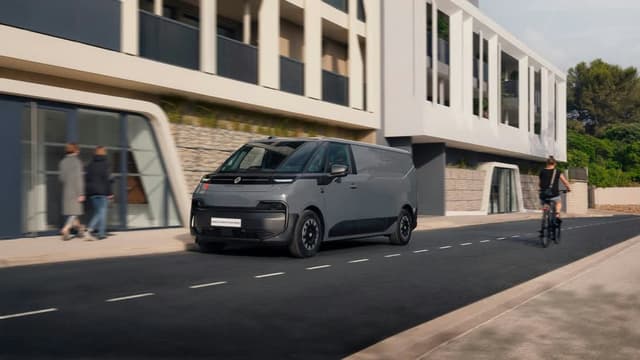
Around 5.1 million vans and 626,000 trucks are currently on UK roads, transporting more than 80 per cent of all domestic freight and directly adding £13.5 billion to the economy each year. While CVs make up 14 per cent of all vehicles on the road, their higher mileages and energy demands make them responsible for more than a third of all road transport CO2 – and almost an eighth of the UK’s carbon footprint.

Mike Hawes, chief executive of the SMMT, said:

We cannot deliver net zero and improve air quality without decarbonising commercial vehicles. But if operators have to wait up to 15 years just to be able to plug them into their depots, there is no case for investment.

Prioritising grid connections, alongside reform to planning and action on energy costs, would reduce barriers to adoption, ensuring commercial vehicles continue to carry the loads that keep our economy on the move whilst doing the heavy lifting the nation needs to reach net zero.

The ZEV mandate requires 16 per cent of new van sales to be zero emission in 2025. Currently, electric van registrations are running at little more than half that (8.3 per cent) with around 167,000 more expected to reach the road over the next three years. That would see the van market hit 25 per cent ZEV by the end of 2027, below the mandate target of 34 per cent. The challenge is even steeper for the HGV sector, with ZEVs making up just 0.5% of registrations and accounting for fewer than 600 trucks currently in use.

While grants for plug-in vans and trucks and government’s Zero Emission HGV and Infrastructure Demonstrator (ZEHID) programme continue to incentivise the zero-emission commercial vehicle transition, the SMMT says that action is needed now to remove administrative gridlock to investment. Government recently announced that it will fast-track grid connections for data centres, wind farms and solar power installations.

This preferential treatment, as well as consistent and efficient implementation of local planning policy, must also be afforded to transport depots if the UK’s net zero and air quality improvement ambitions are to be realised, says SMMT.

Together with more affordable energy and a faster rollout of infrastructure across the strategic road network, this would make the case for operator investment in ZEVs unarguable. To do otherwise risks ceasing the mass transition of the HGV sector before it has even begun, while holding back uptake of electric vans, given they would use these same facilities, it concluded.

More news

Cespira raises the bar for low-carbon diesel technology with next-generation HPDI 3.0
25 July 2026

Cespira raises the bar for low-carbon diesel technology with next-generation HPDI 3.0

Cespira will use IAA Transportation 2026 to unveil HPDI 3.0, a fuel system that lets diesel engines run on LNG, bioLNG and future renewable fuels with up to 100% lifecycle CO2 savings.

The Race of Our Lives Needs a Bigger Engine
24 July 2026

The Race of Our Lives Needs a Bigger Engine

Why fusion, and a Manhattan Project mindset, may decide whether British haulage reaches net zero.

Replacing your forklift? Ask these five questions first
24 July 2026

Replacing your forklift? Ask these five questions first

Grant Handling's Martin Walker sets out the five questions every operator should ask before replacing a diesel forklift with lithium-ion.

The Final Frontier
24 July 2026

The Final Frontier

We take a deep dive into the movers and shakers in the 6x2 EV tractor unit market.

The decision too many haulage operators leave too late
24 July 2026

The decision too many haulage operators leave too late

Cashflow pressures, tax bills and regulatory issues rarely appear overnight. But knowing when to ask for help can be the difference between a manageable problem and a crisis.

Freeburn Transport charges ahead with first Renault Trucks E-Tech T in Northern Ireland
24 July 2026

Freeburn Transport charges ahead with first Renault Trucks E-Tech T in Northern Ireland

Freeburn Transport is preparing to put its first fully electric truck into operation, with the arrival of a new Renault Trucks E-Tech T 4x2 tractor unit supplied by Diamond Trucks.

Government Data Reveals £33.9 Million Invested in UK Workplace EV Charging Since 2016
17 July 2026

Government Data Reveals £33.9 Million Invested in UK Workplace EV Charging Since 2016

Commercial van rental specialist Dawsongroup vans has analysed the latest data from the Department for Transport covering two government-backed workplace EV charging schemes administered by the Office for Zero Emission Vehicles (OZEV).

Pelican Electric Trucks Breaks Ground on Major New Aftermarket Parts Facility
14 July 2026

Pelican Electric Trucks Breaks Ground on Major New Aftermarket Parts Facility

Pelican has officially broken ground on its new dedicated 40,000 sq ft National Parts Distribution Centre warehouse, marking another significant milestone in the company’s continued investment in customer support and aftermarket excellence