Telematics is proving “almost essential” to the adoption of electric vans and job-need electric cars, says the Association of Fleet Professionals.
Stewart Lightbody, vice chair at the industry body, explained the technology was important when it came to resolving two major points – when, where and for how long these cars and light commercial vehicles were charged, and calculating actual amounts where employers were reimbursing employees for charging costs incurred.
He said:
We now have a number of major fleets with more than a thousand electric vehicles (EVs), so there is quite a formidable bank of experience available within the AFP. A key message we are receiving from these members is that in the majority of job-need cases, telematics is proving almost essential to a smooth electrification process.
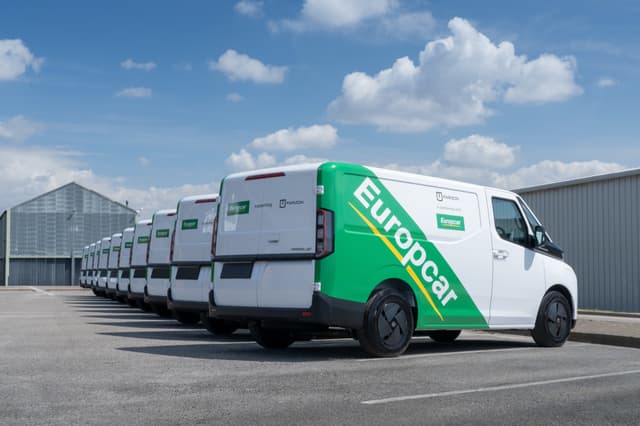
It’s a key element in ensuring that the best option is employed at the best time in terms of convenience and range with the aim of minimising charging downtime. For example, many electric van operators are timing charging to coincide with driver’s breaks, using telematics to confirm that employees are rapid charging to 80% and not lingering to trickle charge to 100%. This is seen as the most productive balance of work availability against charging time.
Others are trying to minimise use of rapid charging, especially on motorways, because low operating costs are an essential part of their electrification objectives. There is generally a wide gap between the cheapest available power – which is usually at home – and the most expensive – normally the fastest commercial charging on motorways.
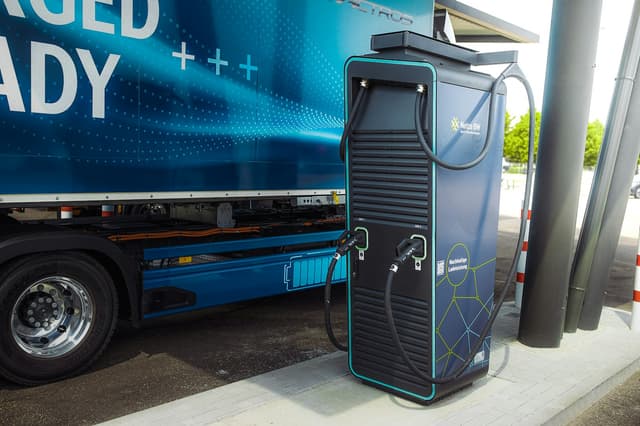
Additionally, in cases where there is limited charging provision – such as in remote areas – the technology means that work can be planned around the few facilities that are available, making EVs practicable in places where there might otherwise be difficulties.
In all of these instances, the use of telematics makes planning and monitoring much easier, showing the location and type of chargers in relation to the vehicle route and allowing charging strategies to be implemented effectively.
Stewart added that there was also an important role for telematics in tracking vehicle mileage for fleets that used an actual cost method for charging reimbursement.
While the 8p AER rate introduced last year was much more acceptable for many employers, there remain a relatively large number who recognise that this is not going to meet the costs that some drivers are racking up driving an EV, especially in vans and larger cars. Telematics means that actual costs can be calculated with greater ease, making this kind of reimbursement a more practical proposition.
AFP members were swapping ideas and observations on EV management on an almost daily basis, he said, sharing their experiences and solutions.
Electrification is providing a whole series of new opportunities and challenges for fleets and this thinking around telematics is only one fragment of the overall picture. An important advantage of being part of the AFP is the ability to network and access best practice, and this is something that is proving especially important for EV operators at the moment.